English
  français
  Deutsch
  русский
  español
  português
  العربية
  Melayu
  ไทย
ไทย  Indonesia
  हिंदी
हिंदी 


सही टी-स्लॉट प्रोफाइल चुनने से आपको मजबूत फ्रेम बनाने में मदद मिलती है। आपको अच्छी तरह से नापना होगा और यह जानना होगा कि यह कितना वजन सहन कर सकता है। कई कारखाने औद्योगिक टी-स्लॉट एल्यूमीनियम प्रोफ़ाइल निर्माण कार्यों में इनका बहुत महत्व होता है। इनमें से 35% से अधिक कार्य टी-स्लॉट प्रोफाइल पर निर्भर करते हैं। अपने प्रोजेक्ट के लिए टी-स्लॉट चुनते समय आपको जिन समस्याओं का सामना करना पड़ सकता है, उन्हें जानने के लिए नीचे दी गई तालिका देखें।
|
कारक |
विवरण |
|---|---|
|
प्रोफ़ाइल आकार और श्रृंखला |
बड़े आकार के शरीर अधिक मजबूत होते हैं, लेकिन आकार के अनुसार उनकी भार वहन क्षमता बदल जाती है। |
|
कनेक्शन विधि |
मजबूत कनेक्टर आपके फ्रेम को स्थिर रखने में मदद करते हैं। |
|
अनुमेय विक्षेपण |
बहुत ज्यादा हलचल होने से चीजें सही ढंग से व्यवस्थित नहीं हो पातीं। |
क्या आपने कभी सोचा है कि कुछ फ्रेम मजबूत क्यों लगते हैं जबकि अन्य हिलते-डुलते हैं?
सबसे पहले, इस बारे में सोचें कि आप टी-स्लॉट प्रोफाइल का उपयोग कैसे करेंगे। हर प्रोजेक्ट की ज़रूरतें अलग-अलग होती हैं। अगर आप मशीनों के साथ काम करते हैं, तो आपको मज़बूत टी-स्लॉट फ्रेम चाहिए। इन फ्रेम को भारी उपकरण संभालने होते हैं। अगर आप डिस्प्ले स्टैंड बना रहे हैं, तो आप हल्के टी-स्लॉट प्रोफाइल का इस्तेमाल कर सकते हैं। कुछ कामों में, जैसे कारों में, ऐसे प्रोफाइल की ज़रूरत होती है जो झटकों और धक्कों को झेल सकें। एयरोस्पेस प्रोजेक्ट्स के लिए ऐसे टी-स्लॉट प्रोफाइल चाहिए जो हल्के होने के साथ-साथ बहुत मज़बूत भी हों।
बख्शीश अपने प्रोजेक्ट के लिए सही टी-स्लॉट चुनें। इससे आपको बाद में आने वाली समस्याओं से बचने में मदद मिलेगी।
आपको यह जानना ज़रूरी है कि आपका टी-स्लॉट फ्रेम कितना भार सहन कर सकता है। पहले भार का अनुमान लगाएँ। इसे समझने में मदद के लिए सरल आरेख बनाएँ। यह जाँचने के लिए कुछ आसान गणनाएँ करें कि आपके टी-स्लॉट प्रोफाइल पर्याप्त मजबूत हैं या नहीं। कंपनियाँ प्रत्येक प्रोफाइल के लिए भार सारणी प्रदान करती हैं। इन सारणियों को देखकर तय करें कि आपका चुनाव सही है या नहीं। छोटे प्रोजेक्टों के लिए 20x20 मिमी का टी-स्लॉट उपयुक्त रहता है। मध्यम प्रोजेक्टों के लिए 30x30 मिमी या 40x40 मिमी के टी-स्लॉट प्रोफाइल का उपयोग किया जाता है। कारखानों जैसे बड़े प्रोजेक्टों के लिए 45x45 मिमी या 80x80 मिमी के टी-स्लॉट प्रोफाइल की आवश्यकता हो सकती है।
|
पैरामीटर |
कीमत |
|---|---|
|
प्रत्यास्थता मापांक |
70,000 एन/मिमी² |
|
निष्क्रियता के पल |
प्रोफाइल विशेष |
इस बारे में सोचें कि आप बाद में क्या बदलना चाहेंगे। मॉड्यूलर एनोडाइज्ड टी-स्लॉट एल्युमिनियम प्रोफाइल बदलाव करना आसान बनाएं। आप नए हिस्से जोड़ सकते हैं या चीजों को इधर-उधर कर सकते हैं। कुछ टी-स्लॉट बाद में उपयोग के लिए खाली छोड़ दें। अपने प्रोजेक्ट को अलग-अलग हिस्सों में बनाएं। इस तरह, जरूरत पड़ने पर आप इसे बड़ा कर सकते हैं।
एक महत्वपूर्ण सलाह यह है कि भविष्य में होने वाले बदलावों को ध्यान में रखते हुए डिज़ाइन करें। यदि आपको लगता है कि आप बाद में और अधिक जोड़ेंगे, तो कुछ खाली स्थान रखें और ऐसे अनुभाग बनाएं जिन्हें आसानी से कॉपी या विस्तारित किया जा सके।
टी-स्लॉट प्रोफाइल आपको नई परियोजना आवश्यकताओं को पूरा करने में मदद करते हैं। ये कई जगहों पर उपयोगी होते हैं। यदि आपकी परियोजना में पानी या रसायनों का उपयोग होता है, तो विशेष कोटिंग वाले टी-स्लॉट प्रोफाइल चुनें।
सही आकार का टी-स्लॉट प्रोफाइल चुनने से पहले आपको सामान्य आकारों के बारे में जानना आवश्यक है। टी-स्लॉट एल्युमीनियम एक्सट्रूज़न कई आकारों में उपलब्ध है। प्रत्येक आकार अलग-अलग प्रकार के प्रोजेक्ट के लिए उपयुक्त होता है। बाज़ार में उपलब्ध कुछ मानक आकार इस प्रकार हैं:
20 मिमी, 5 मिमी टी-स्लॉट के साथ
20 मिमी, 6 मिमी टी-स्लॉट के साथ
30 मिमी, 8 मिमी टी-स्लॉट के साथ
40 मिमी, 8 मिमी टी-स्लॉट के साथ
40 मिमी, 10 मिमी टी-स्लॉट के साथ
45 मिमी, 10 मिमी टी-स्लॉट के साथ
60 मिमी, 10 मिमी टी-स्लॉट के साथ
90 मिमी, 10 मिमी टी-स्लॉट के साथ
आपको ये आकार और माप भी देखने को मिलेंगे:
15×30
30×30
30×60
40×40
45×45
50×50
60×60
40×120
छोटे टी-स्लॉट प्रोफाइल हल्के फ्रेम और डिस्प्ले के लिए उपयुक्त होते हैं। मध्यम आकार के प्रोफाइल वर्कबेंच और मशीन गार्ड के लिए उपयुक्त होते हैं। बड़े टी-स्लॉट प्रोफाइल भारी मशीनों और बड़ी संरचनाओं को सहारा देते हैं। अपने प्रोजेक्ट के अनुसार प्रोफाइल का आकार हमेशा जांच लें।
फ्रेम को मजबूत बनाए रखने के लिए दीवार की मोटाई और मजबूती मायने रखती है। मोटी दीवारें अधिक भार सहन कर सकती हैं और लंबे समय तक टिकती हैं। पतली दीवारें अधिक भार पड़ने पर टूट या मुड़ सकती हैं। अधिकांश टी-स्लॉट फ्रेमों के लिए, दीवार की मोटाई 1.5 मिमी से 3.0 मिमी तक होती है। यदि आप एक हेवी-ड्यूटी फ्रेम बना रहे हैं, तो आपको मोटी दीवारों की आवश्यकता होगी।
अंतर को समझने में आपकी सहायता के लिए यहां एक तालिका दी गई है:
|
उदाहरण |
सामान्य आकार का लिफाफा |
दीवार की मोटाई |
मानक लंबाई |
नोट्स |
|---|---|---|---|---|
|
टी-स्लॉट फ्रेम |
20×20 / 30×30 / 40×40 / 45×45 / 60×60 |
~1.5–3.0 मिमी |
लगभग 6 मीटर |
स्लॉट 6/8/10 मिमी परिवार |
आपको मजबूती के बारे में भी सोचना होगा। टी-स्लॉट एल्युमिनियम एक्सट्रूज़न भारी भार और बड़े फैलाव के लिए उच्च मजबूती प्रदान करता है। यदि आप एक मजबूत फ्रेम बनाना चाहते हैं, तो दोहरी दीवार वाले डिज़ाइन का चयन करें। यह डिज़ाइन आपके फ्रेम को भारी भार के बावजूद भी सीधा और मजबूत बनाए रखने में मदद करता है।
बख्शीश भारी भार सहन करने के लिए, मोटी दीवारों और दोहरी दीवार वाले डिज़ाइन का उपयोग करें। ये विशेषताएं आपके फ्रेम को अधिक भार सहन करने और अधिक समय तक चलने में मदद करती हैं।
आपको अपने से मेल खाना होगा जंग प्रतिरोधी टी-स्लॉट एल्यूमीनियम प्रोफाइल अपने प्रोजेक्ट की भार वहन क्षमता और स्थिरता के लिए, सबसे पहले अनुप्रस्थ काट क्षेत्रफल देखें। अधिक क्षेत्रफल का मतलब है कि आपका प्रोफाइल अधिक भार सहन कर सकता है। आपको क्षेत्रफल जड़त्व आघूर्ण भी जांचना होगा। यह संख्या आपको बताती है कि आपका प्रोफाइल झुकने और मुड़ने का कितना प्रतिरोध करता है।
जाँच करने योग्य मुख्य बिंदु इस प्रकार हैं:
अनुप्रस्थ काट क्षेत्रफल: बड़ा क्षेत्रफल मतलब अधिक मजबूती।
क्षेत्रफल जड़त्व आघूर्ण: उच्च मान का अर्थ है झुकने और मुड़ने के प्रति बेहतर प्रतिरोध।
उदाहरण के लिए, 4040 टी-स्लॉट एल्युमीनियम एक्सट्रूज़न मोटी दीवारों और मजबूत आकार होने पर काफी भार सहन कर सकता है। यदि आपको और भी अधिक मजबूती चाहिए, तो 80 सीरीज़ या 160 सीरीज़ के प्रोफाइल देखें। ये प्रोफाइल बड़े फ्रेम और मशीनों के लिए उपयुक्त हैं। 160 सीरीज़ भारी भार और बड़े सपोर्ट स्ट्रक्चर के लिए सबसे उपयुक्त है।
|
शृंखला |
विवरण |
|---|---|
|
80 सीरीज |
कनेक्टर और फिटिंग लगाना आसान है। भार वहन क्षमता और स्थिरता अच्छी है। भारी भार और झटकों को सहन कर सकता है। |
|
160 श्रृंखला |
बेहद मजबूत और टिकाऊ। अनुप्रस्थ काट की चौड़ाई लगभग 160 मिमी। बड़े फ्रेम, सहायक संरचनाओं और उच्च स्थिरता की आवश्यकता वाली मशीनों के लिए सबसे उपयुक्त। |
सही आकार का टी-स्लॉट प्रोफाइल चुनकर आप अपने प्रोजेक्ट को अधिक सुरक्षित और मजबूत बना सकते हैं। साथ ही, आपको टी-स्लॉट प्रोफाइल के कई फायदे मिलते हैं, जैसे आसान असेंबली और बाद में डिज़ाइन में बदलाव करने की सुविधा। टी-स्लॉट चुनने से पहले हमेशा अपनी भार वहन क्षमता और स्थिरता संबंधी आवश्यकताओं की जांच कर लें।
आप चाहते हैं कि आपका प्रोजेक्ट लंबे समय तक चले। टी-स्लॉट के लिए इस्तेमाल होने वाली सामग्री और फिनिशिंग बहुत मायने रखती है। अधिकांश टी-स्लॉट प्रोफाइल एल्युमीनियम से बने होते हैं क्योंकि यह हल्का और मजबूत होता है। मजबूत एल्युमीनियम पार्ट्स से आप एक टिकाऊ संरचना बना सकते हैं। सही एल्युमीनियम का चुनाव करने पर आपको एक ऐसा फ्रेम मिलता है जिसमें जंग नहीं लगता और जो जल्दी खराब नहीं होता।
आपको फिनिश के बारे में भी सोचना चाहिए। एनोडाइजिंग से आपके टी-स्लॉट की सतह सख्त हो जाती है। यह खरोंचों से सुरक्षा प्रदान करता है और ऑक्सीकरण को रोकता है। यह फिनिश बाहरी उपयोग के लिए उपयुक्त है क्योंकि यह घिसाव प्रतिरोधी है। पाउडर कोटिंग सतह को और भी मजबूत बनाती है। यह एल्यूमीनियम से मजबूती से चिपक जाती है और एनोडाइजिंग की तुलना में खरोंचों से बेहतर सुरक्षा प्रदान करती है। दोनों ही फिनिश आपके टी-स्लॉट को जंग से बचाने में मदद करती हैं। यदि आप अपने फ्रेम का उपयोग बाहर या किसी गीली जगह पर करना चाहते हैं, तो ऐसी फिनिश चुनें जो पानी और रसायनों से सुरक्षा प्रदान करे।
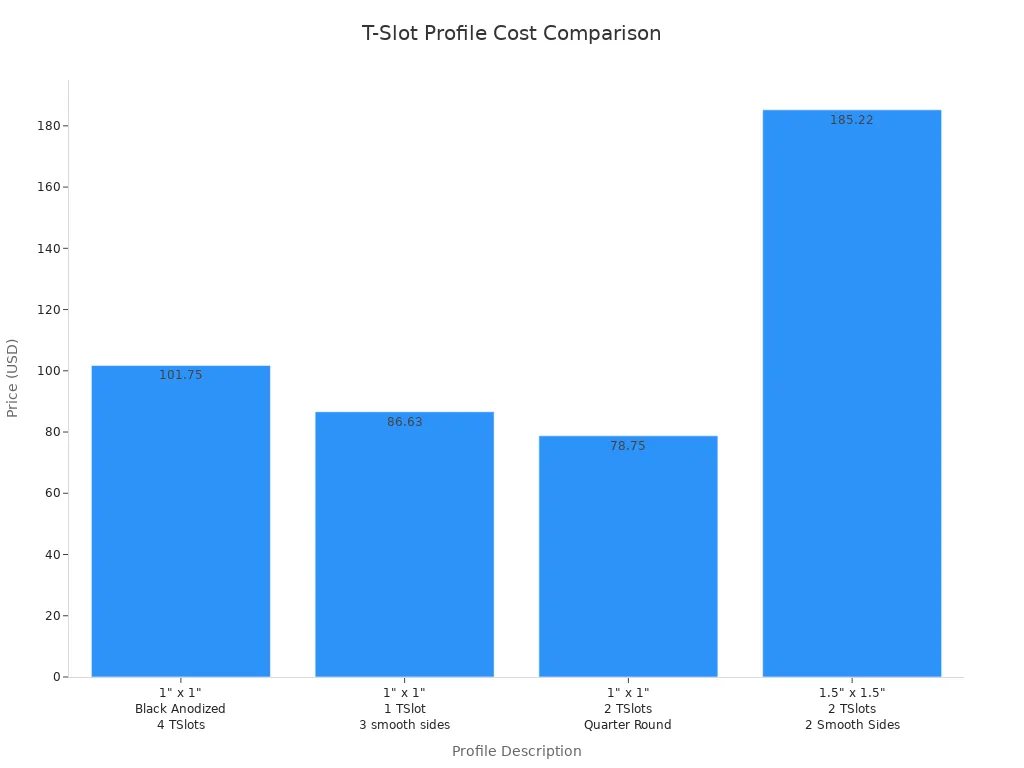
टी-स्लॉट एल्युमिनियम की कीमत मिश्र धातु, फिनिश और प्रोफाइल के प्रकार पर निर्भर करती है। 6063 एल्युमिनियम 6061 से सस्ता होता है। एनोडाइज्ड टी-स्लॉट की शुरुआती कीमत अधिक होती है, लेकिन रखरखाव पर कम खर्च होता है। मोटे प्रोफाइल महंगे होते हैं, लेकिन अधिक समय तक चलते हैं और अधिक भार सहन कर सकते हैं। मॉड्यूलर टी-स्लॉट सिस्टम समय के साथ पैसे बचाते हैं क्योंकि इनकी मरम्मत या अपग्रेड करना आसान होता है।
आपको यह सुनिश्चित करना होगा कि आपका टी-स्लॉट आपके द्वारा उपयोग किए जाने वाले सभी पुर्जों के साथ ठीक से काम करे। कुछ एक्सेसरीज़ हर टी-स्लॉट प्रोफाइल में फिट नहीं हो सकती हैं। यदि आप जाँच नहीं करते हैं, तो असेंबली के दौरान आपको समस्याएँ आ सकती हैं। सही टी-स्लॉट और एक्सेसरीज़ का चयन करते समय आने वाली सामान्य समस्याओं को जानने के लिए नीचे दी गई तालिका देखें।
|
संगतता समस्या |
विवरण |
|---|---|
|
मिसलिग्न्मेंट |
टी-स्लॉट के उपयोग से उत्पन्न धुरी के कारण घटक ठीक से संरेखित नहीं हो सकते हैं। |
|
ढीला |
पुर्जों को कसने से समय के साथ वे ढीले हो सकते हैं। |
|
तनाव से निपटने में कमी |
गतिशील वातावरण में यह प्रणाली तनाव को संभालने में असमर्थ हो सकती है। |
आपको हमेशा अपने टी-स्लॉट के आकार और चौड़ाई को कनेक्टर, ब्रैकेट और फास्टनर के साथ मिलाना चाहिए। यदि आप अलग-अलग ब्रांड के पुर्जे इस्तेमाल कर रहे हैं, तो उनके माप की जांच कर लें। इससे गलत संरेखण से बचने और फ्रेम को स्थिर रखने में मदद मिलती है। आप चाहते हैं कि आपका टी-स्लॉट सिस्टम मजबूत और सुरक्षित रहे।
बख्शीश खरीदने से पहले, आपको जिन एक्सेसरीज़ की ज़रूरत है, उनकी एक सूची बना लें। जांच लें कि वे आपके टी-स्लॉट के आकार के अनुरूप हैं या नहीं। यह कदम आपका समय और पैसा बचाएगा।
आप अपने टी-स्लॉट फ्रेम का उपयोग कहाँ करते हैं, यह उसके टिकाऊपन को प्रभावित कर सकता है। बारिश, धूप और धूल जैसे बाहरी कारक आपके टी-स्लॉट को नुकसान पहुंचा सकते हैं। यदि आप एक टिकाऊ संरचना चाहते हैं, तो आपको इन जोखिमों के लिए योजना बनानी होगी। नीचे दी गई तालिका दर्शाती है कि विभिन्न बाहरी कारक टी-स्लॉट एल्यूमीनियम को कैसे प्रभावित करते हैं।
|
बाहरी कारक |
टी-स्लॉट एल्यूमीनियम पर प्रभाव |
|---|---|
|
बारिश/समुद्री फुहार |
खांचों में जंग लगने और गड्ढे बनने की प्रक्रिया को तेज करता है। |
|
सूर्य का प्रकाश/यूवी |
कोटिंग फीकी पड़ जाती है, सील या रंग खराब हो जाता है |
|
तापमान में उतार-चढ़ाव |
विस्तार की अनुमति न होने पर जोड़ों पर तनाव उत्पन्न हो सकता है |
|
गंदगी या मलबा |
पानी फंस सकता है या फास्टनर घिस सकते हैं |
|
यांत्रिक घिसाव |
इससे जोड़ों के कनेक्शन ढीले या अवरुद्ध हो सकते हैं। |
यदि आप अपने टी-स्लॉट फ्रेम का उपयोग बाहर करते हैं, तो जंग रोधी फिनिश वाले सही टी-स्लॉट प्रोफाइल का चुनाव करें। आप खांचों की सुरक्षा के लिए कवर या सील भी लगा सकते हैं। तापमान में अधिक बदलाव वाले स्थानों में, धातु को फैलने के लिए जगह छोड़ें। गंदगी से होने वाली समस्याओं को रोकने के लिए अपने टी-स्लॉट को नियमित रूप से साफ करें।
सही टी-स्लॉट का चुनाव करके आप एक मजबूत फ्रेम बना सकते हैं। फ्रेम खरीदने से पहले सोचें कि आप इसे कहाँ इस्तेमाल करेंगे। इससे आपको मरम्मत से बचने और अपने प्रोजेक्ट को सुरक्षित रखने में मदद मिलेगी।
टिप्पणी सही टी-स्लॉट एल्युमीनियम चुनने से पहले हमेशा वातावरण की जांच कर लें। यह कदम आपको एक टिकाऊ फ्रेम बनाने में मदद करता है।
एक मजबूत टी-स्लॉट फ्रेम बनाने के लिए आपको सही एक्सेसरीज़ की आवश्यकता होती है। प्रोफाइल, फास्टनर और पैनल से शुरुआत करें। टी-नट और टी-बोल्ट महत्वपूर्ण हैं क्योंकि ये आपको टी-स्लॉट के किसी भी हिस्से को जोड़ने की सुविधा देते हैं। इससे आपका प्रोजेक्ट लचीला और आसानी से बदलने योग्य बन जाता है। अतिरिक्त सपोर्ट और साफ-सुथरे लुक के लिए ब्रैकेट, एंड कैप और सरफेस कवर लगाएं। हमेशा जांच लें कि आपकी एक्सेसरीज़ आपके टी-स्लॉट के आकार और चौड़ाई से मेल खाती हैं। यदि आप पैनल का उपयोग करते हैं, तो सुनिश्चित करें कि वे खांचों के अंदर फिट हों।
बख्शीश काम शुरू करने से पहले सभी सहायक उपकरणों की एक सूची बना लें। इससे आपको असेंबली के दौरान कोई पुर्जा गुम होने से बचने में मदद मिलेगी।
कुछ चरणों का पालन करके आप अपना बजट बना सकते हैं। सबसे पहले, अपनी परियोजना की ज़रूरतों को लिख लें, जैसे कि फ्रेम का आकार, भार और उपयोग का स्थान। अपने टी-स्लॉट के लिए सही प्रोफ़ाइल आकार चुनें। बड़े प्रोफ़ाइल महंगे होते हैं लेकिन ज़्यादा मज़बूती देते हैं। ज़्यादातर परियोजनाओं के लिए एल्युमीनियम चुनें क्योंकि यह हल्का होता है और जंग प्रतिरोधी होता है। जांच लें कि आपके स्लॉट का आकार आपके कनेक्टर्स और फास्टनर्स से मेल खाता है। अपने फ्रेम द्वारा सहन किए जाने वाले भार की गणना करें। ऐसे कनेक्शन तरीके चुनें जिन्हें ज़रूरत पड़ने पर अलग किया जा सके। ऐसे प्रोफ़ाइल देखें जिनमें आसानी से बदलाव या अपग्रेड किए जा सकें। अपनी ज़रूरतों के अनुसार मज़बूती और सुविधाओं के साथ अपने बजट को संतुलित करें। अपने आपूर्तिकर्ता से सहायता और डिलीवरी समय के बारे में पूछें। यदि आपकी परियोजना को एक विशेष रूप देने की आवश्यकता है, तो फ़िनिश पर विचार करें। सुनिश्चित करें कि आपका टी-स्लॉट आपके पास पहले से मौजूद अन्य भागों के साथ काम करता है। आपको जिन नियमों या मानकों का पालन करना है, उनकी जांच कर लें।
टिप्पणी भविष्य में होने वाले बदलावों की योजना बनाने से पैसे की बचत हो सकती है। मॉड्यूलर टी-स्लॉट सिस्टम आपको शुरू से सब कुछ किए बिना पुर्जे जोड़ने या हटाने की सुविधा देते हैं।
असेंबली के लिए सभी सामग्री इकट्ठा कर लें। शुरू करने से पहले अपना डिज़ाइन और लेआउट प्लान कर लें। टी-स्लॉट प्रोफाइल को सही लंबाई में काट लें। नुकीले किनारों और धातु के छिलन से बचने के लिए दस्ताने और चश्मे जैसे सुरक्षा उपकरण पहनें। काटते या ड्रिल करते समय प्रोफाइल को स्थिर रखने के लिए क्लैंप का इस्तेमाल करें। कनेक्टर और फास्टनर को कसकर लगाएँ। फ्रेम को चरण दर चरण बनाएँ। मुख्य फ्रेम बन जाने के बाद पैनल या कवर जैसी एक्सेसरीज़ जोड़ें। अपनी संरचना की स्थिरता की जाँच करें और ज़रूरत पड़ने पर बदलाव करें।
यदि आप भविष्य में अपने प्रोजेक्ट का विस्तार करना चाहते हैं, तो फ्रेम को खुले स्लॉट और अतिरिक्त जगह के साथ डिज़ाइन करें। आयताकार फ्रेम को मुड़ने से बचाने के लिए गसेट का उपयोग करें। मजबूत जोड़ों के लिए आवश्यक फास्टनरों की संख्या की गणना करें। सर्वोत्तम मजबूती के लिए अपने प्रोफाइल को सही दिशा में लगाएं। अपने टी-स्लॉट फ्रेम में घिसावट या गंदगी की नियमित रूप से जांच करें। जंग से बचाने और चलने वाले पुर्जों को सुचारू रखने के लिए लुब्रिकेंट लगाएं।
सुरक्षा तालिका:
|
खतरा |
रोकथाम |
|---|---|
|
तीक्ष्ण किनारे |
कट-प्रूफ दस्ताने पहनें |
|
गिरती हुई प्रोफाइल |
क्लैंप और सुरक्षित ब्रैकेट का उपयोग करें |
|
आंख की चोट |
सुरक्षा चश्मे पहनें |
|
भार उठाने से होने वाले तनाव |
सामूहिक रूप से उठाने या यांत्रिक उपकरणों का उपयोग करें। |
|
विद्युत उपकरण |
तारों और ग्राउंडिंग की जाँच करें |
यदि आप प्रत्येक चरण की योजना बनाते हैं और सही टी-स्लॉट एक्सेसरीज़ का उपयोग करते हैं, तो आप एक सुरक्षित और मजबूत परियोजना का निर्माण कर सकते हैं।
कुछ आसान चरणों का पालन करके आप सबसे उपयुक्त टी-स्लॉट प्रोफाइल चुन सकते हैं। सबसे पहले, तय करें कि आपको मीट्रिक प्रोफाइल चाहिए या इंच प्रोफाइल। इसके बाद, सोचें कि आपका टी-स्लॉट कितना वजन सहन कर सकता है और उसका आकार कितना होना चाहिए। अपने अनुमानों की जांच करें और सुनिश्चित करें कि जरूरत पड़ने पर आप बाद में बदलाव कर सकें। विभिन्न विकल्पों पर विचार करें और टी-स्लॉट प्रोफाइल के बारे में अच्छी जानकारी रखने वाले लोगों से बात करें।
|
आपूर्तिकर्ता विधि |
विवरण |
|---|---|
|
स्थानीय निर्माता |
आप अपने निवास स्थान के आस-पास अच्छे प्रोफाइल पा सकते हैं। |
|
ऑनलाइन निर्देशिकाएँ |
इनसे आपको कई आपूर्तिकर्ताओं और उत्पादों को देखने में मदद मिलती है। |
|
व्यापार की शो |
आप विशेषज्ञों से मिल सकते हैं और अपनी परियोजना के बारे में चर्चा कर सकते हैं। |
कुछ भी खरीदने से पहले यह सुनिश्चित कर लें कि आपको क्या चाहिए।
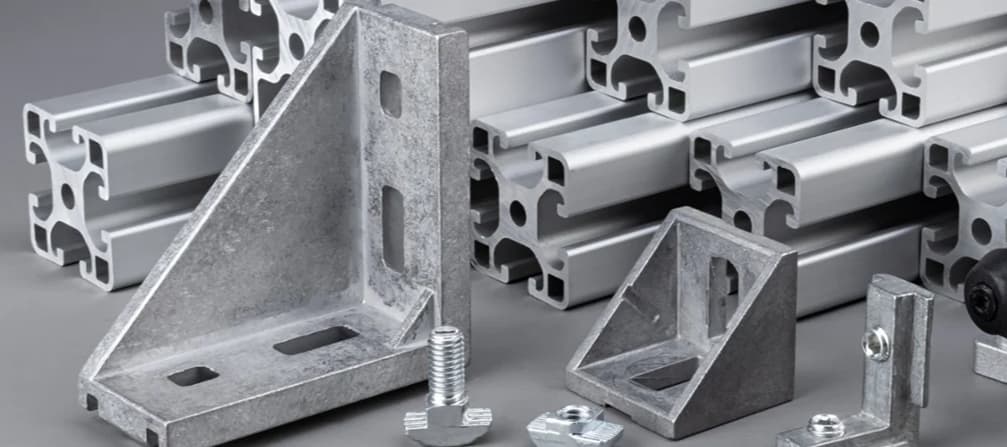
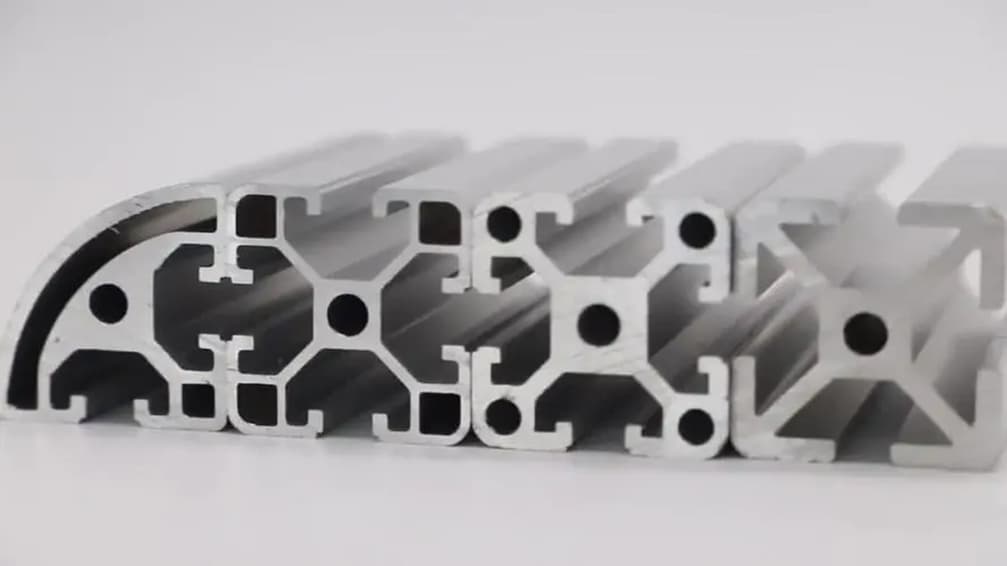
टी-स्लॉट प्रोफाइल एक एल्यूमीनियम एक्सट्रूज़न है जिसमें टी-आकार का खांचा होता है। इसका उपयोग फ्रेम, वर्कस्टेशन या मशीन गार्ड बनाने के लिए किया जाता है। खांचे की मदद से आप पुर्जे और सहायक उपकरण आसानी से जोड़ सकते हैं।
आप प्रोफाइल की चौड़ाई और ऊंचाई मापें। एक्सेसरी फिट के लिए स्लॉट की चौड़ाई जांचें। सटीकता के लिए रूलर या कैलिपर का उपयोग करें। हमेशा अपने मापों की तुलना निर्माता के चार्ट से करें।
जी हां, आप आरी से टी-स्लॉट प्रोफाइल काट सकते हैं। साफ किनारों के लिए बारीक दांत वाली ब्लेड का इस्तेमाल करें। सुरक्षा दस्ताने और चश्मा पहनें। काटने से पहले प्रोफाइल को स्थिर रखने के लिए उसे कसकर पकड़ लें।
आप टी-नट, बोल्ट, ब्रैकेट, एंड कैप और पैनल का उपयोग कर सकते हैं। एक्सेसरीज़ खरीदने से पहले स्लॉट की चौड़ाई और प्रोफ़ाइल का आकार जांच लें। अधिकांश आपूर्तिकर्ता अपने कैटलॉग में संगत पुर्जों की सूची देते हैं।


 IPv6 नेटवर्क समर्थित