English
  français
  Deutsch
  русский
  español
  português
  العربية
  Melayu
  ไทย
ไทย  Indonesia
  हिंदी
हिंदी 


सही एल्युमिनियम प्रोफाइल आपूर्तिकर्ता आपके प्रोजेक्ट के परिणाम को आकार देता है। निर्माताओं का मूल्यांकन करते समय, आपको उनकी क्षमताओं को अपनी विशिष्ट आवश्यकताओं के अनुरूप देखना चाहिए। कस्टम एल्युमीनियम प्रोफाइल के लिए अपनी आवश्यकताओं को समझने से आपको सही प्रकार का चयन करने में मदद मिलती है और यह सुनिश्चित होता है कि उत्पाद आपके डिज़ाइन और समयसीमा के अनुरूप हो। निर्माताओं के साथ प्रारंभिक चर्चा से आपको सोच-समझकर डिज़ाइन संबंधी निर्णय लेने और संसाधनों की योजना बनाने में सहायता मिलती है, जिससे अन्य घटकों के साथ बेहतर तालमेल बनता है और प्रोजेक्ट की दक्षता बढ़ती है।
चाबी छीनना
-
निर्माता के सामग्री मानकों और मिश्र धातु विकल्पों की जांच करें। सही मिश्र धातु का चयन करने से मजबूती और टिकाऊपन में सुधार होता है।
-
गुणवत्ता नियंत्रण और प्रमाणन को प्राथमिकता दें। ISO 9001 और QUALICOAT जैसे प्रमाणन विश्वसनीय और उच्च गुणवत्ता वाले प्रोफाइल सुनिश्चित करते हैं।
-
सुनिश्चित करें कि निर्माता कस्टम प्रोफाइल की एक विस्तृत श्रृंखला प्रदान करता है। लचीलापन आपकी परियोजना की आवश्यकताओं को सटीक रूप से पूरा करने में सहायक होता है।
-
निर्माता के अनुभव और प्रतिष्ठा का मूल्यांकन करें। एक सिद्ध ट्रैक रिकॉर्ड लगातार बेहतर परिणाम और अच्छा समर्थन सुनिश्चित करता है।
-
लीड टाइम और डिलीवरी विकल्पों को समझें। विश्वसनीय डिलीवरी आपके प्रोजेक्ट को समय पर पूरा करने में मदद करती है और देरी को कम करती है।
गुणवत्ता और प्रमाणन
सामग्री मानक और मिश्र धातु ग्रेड
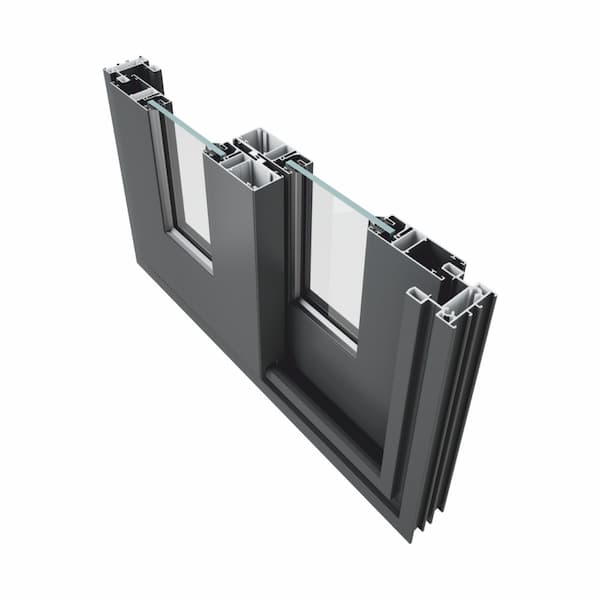
आपको हमेशा निर्माता द्वारा पेश किए जाने वाले सामग्री मानकों और मिश्र धातु ग्रेड की जांच करके शुरुआत करनी चाहिए। सही मिश्र धातु ग्रेड आपके उत्पाद की मजबूती, मशीनिंग क्षमता और जीवनकाल को प्रभावित करता है। कस्टम एल्युमिनियम प्रोफाइल उच्च प्रदर्शन वाले औद्योगिक अनुप्रयोगों के लिए, कुछ विशेष ग्रेड अपने यांत्रिक गुणों और स्थायित्व के कारण उत्कृष्ट माने जाते हैं:
|
मिश्र धातु ग्रेड |
गुण |
विशिष्ट उपयोग |
|---|---|---|
|
6005 |
बेहतर एक्सट्रूज़न प्रदर्शन, बेहतर मजबूती |
संरचनात्मक प्रणालियाँ, परिवहन उपकरण, भारी-भरकम यांत्रिक फ्रेम |
|
6082 |
उच्च मजबूती, उत्कृष्ट यांत्रिक गुण, अच्छा संक्षारण प्रतिरोध |
कठिन परिस्थितियों में औद्योगिक संरचनात्मक अनुप्रयोग |
|
7075 |
उच्च शक्ति, उत्कृष्ट यांत्रिक प्रदर्शन |
एयरोस्पेस घटक, उच्च भार वाली यांत्रिक संरचनाएं |
सही मिश्र धातु का चयन यह सुनिश्चित करता है कि आपकी प्रोफाइल प्रदर्शन और गुणवत्ता दोनों अपेक्षाओं को पूरा करती हैं।
सतह की फिनिश के विकल्प
सतह की फिनिशिंग आपके एल्युमिनियम प्रोफाइल की दिखावट और दीर्घकालिक गुणवत्ता दोनों में महत्वपूर्ण भूमिका निभाती है। आप कई फिनिशिंग विकल्पों में से चुन सकते हैं, जिनमें से प्रत्येक के अपने अनूठे फायदे हैं:
|
विशेषता |
एनोडाइजिंग |
पाउडर कोटिंग |
पेंटिंग (गीली) |
मैकेनिकल फिनिश |
|---|---|---|---|---|
|
प्राथमिक लाभ |
टिकाऊपन, घिसाव |
बहुमुखी प्रतिभा, मजबूती |
रंग विकल्प |
बनावट, दिखावट |
|
संक्षारण रेस. |
अच्छा से उत्कृष्ट |
उत्कृष्ट |
अच्छा |
भिन्न-भिन्न (आधार) |
|
उपस्थिति |
धात्विक/रंग |
विस्तृत रंग/बनावट |
विस्तृत रंग |
सैटिन से मिरर तक |
|
सापेक्ष लागत |
मध्यम |
मध्यम |
मध्यम |
कम से मध्यम |
एनोडाइजिंग सतह को निखारता है, जिससे घिसावट और टूट-फूट से बचाव होता है। पाउडर कोटिंग से चमकीला रंग मिलता है और अतिरिक्त सुरक्षा मिलती है। ब्रशिंग या पॉलिशिंग जैसी यांत्रिक फिनिशिंग से आपके प्रोफाइल को एक अनूठा टेक्सचर और लुक मिलता है। सही फिनिशिंग से आपके अंतिम उत्पाद की टिकाऊपन और गुणवत्ता दोनों में सुधार होता है।
गुणवत्ता नियंत्रण और प्रमाणन
आपको यह सुनिश्चित करना होगा कि आपका निर्माता सख्त गुणवत्ता नियंत्रण प्रक्रियाओं का पालन करता है। ये प्रक्रियाएं सुनिश्चित करती हैं कि प्रत्येक उत्पाद आपकी विशिष्टताओं और उद्योग मानकों को पूरा करता है। गुणवत्ता नियंत्रण के प्रमुख चरणों में शामिल हैं:
-
विस्तृत जांच और ग्राहक सहयोग के साथ डिजाइन का सत्यापन
-
तापमान और दबाव के लिए वास्तविक समय में एक्सट्रूज़न प्रक्रिया की निगरानी
-
सतह उपचार निरीक्षण से एकसमान कोटिंग और रंग की स्थिरता सुनिश्चित होती है।
-
अंतिम उत्पाद परीक्षण, जिसमें यांत्रिक और आयामी जांच शामिल हैं।
प्रमुख निर्माताओं के पास QUALICOAT, QUALANOD, GSB International और CSTB द्वारा NF प्रमाणन जैसे प्रमाणपत्र हैं। ये मानक उच्च गुणवत्ता वाली कोटिंग, एनोडाइजिंग और थर्मल इन्सुलेशन की गारंटी देते हैं। ISO 9001 प्रमाणन निरंतर ऑडिट और प्रक्रिया सुधार के प्रति प्रतिबद्धता को दर्शाता है। ISO 14001 और IATF 16949 पर्यावरण प्रबंधन और आपूर्ति श्रृंखला स्थिरता पर ध्यान केंद्रित करके विश्वसनीयता को और बढ़ाते हैं।
बख्शीश: अपर्याप्त गुणवत्ता नियंत्रण से कच्चे माल में असमानता, संरचनात्मक दोष और उत्पादन लागत में वृद्धि हो सकती है। कोई भी कार्य करने से पहले गुणवत्ता जांच और प्रमाणन संबंधी दस्तावेज़ अवश्य मांगें।
हर चरण में गुणवत्ता को प्राथमिकता देकर, आप यह सुनिश्चित करते हैं कि आपके कस्टम एल्युमिनियम प्रोफाइल आपके प्रोजेक्ट की आवश्यकताओं के अनुरूप प्रदर्शन और विश्वसनीयता प्रदान करें।
अनुकूलन और परियोजना आवश्यकताएँ
प्रोफ़ाइल रेंज और डिज़ाइन लचीलापन
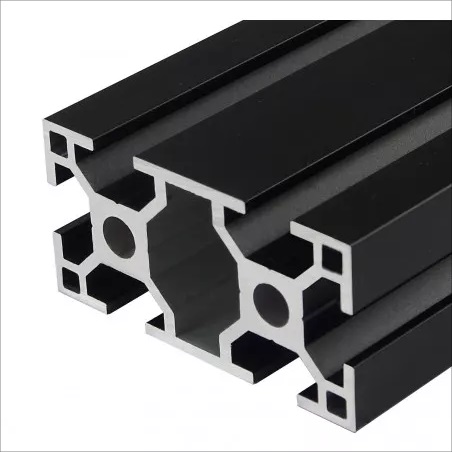
आपको ऐसे निर्माता की आवश्यकता है जो आपकी परियोजना की आवश्यकताओं के अनुरूप कस्टम प्रोफाइल की विस्तृत श्रृंखला प्रदान करता हो। अग्रणी आपूर्तिकर्ता ट्रिम कैप, रॉड, एंगल, बार और चैनल सहित विभिन्न प्रकार के प्रोफाइल आकार और साइज़ उपलब्ध कराते हैं। आप बीम या ट्रिम के लिए टी-आकार के प्रोफाइल का अनुरोध कर सकते हैं, या अन्य कई कॉन्फ़िगरेशन में से चुन सकते हैं। शीर्ष निर्माता सटीक आयामों के साथ अत्यधिक अनुकूलन योग्य एल्यूमीनियम आकार बना सकते हैं, जिससे आपको अपनी परियोजना की मांग के अनुसार सटीक प्रोफाइल आकार और साइज़ प्राप्त करने की सुविधा मिलती है। अनुकूलन की यह व्यापक सुविधा आपके डिज़ाइन को साकार करने में सहायक होती है।
आवेदन की आवश्यकताएं और विशिष्टताएं
हर प्रोजेक्ट की अपनी अलग ज़रूरतें होती हैं। आपको यह आकलन करना होगा कि क्या निर्माता आपकी तकनीकी ज़रूरतों, जैसे भार वहन क्षमता और पर्यावरणीय प्रतिरोध, को पूरा करने वाले अनुकूलित प्रोफाइल प्रदान कर सकता है। निर्माता चालकता, मजबूती और जंग प्रतिरोध को संतुलित करने के लिए 1000, 3000 और 6000 श्रृंखला सहित विभिन्न एल्यूमीनियम मिश्र धातुओं का उपयोग करते हैं। वे कटिंग, ड्रिलिंग, एनोडाइजिंग और पाउडर कोटिंग जैसे मशीनिंग और फिनिशिंग विकल्प भी प्रदान करते हैं। इन प्रक्रियाओं से अनुकूलित एल्यूमीनियम प्रोफाइल तैयार होते हैं जो बाहरी वातावरण सहित कठोर परिस्थितियों का सामना कर सकते हैं। एनोडाइजिंग और पाउडर कोटिंग सुरक्षा की परतें जोड़ते हैं, जिससे आपके प्रोफाइल यूवी किरणों, नमक के छिड़काव और औद्योगिक वातावरण के प्रति प्रतिरोधी बन जाते हैं।
कस्टम एल्युमिनियम प्रोफाइल परियोजनाओं के लिए इंजीनियरिंग सहायता
आपको अपने प्रोजेक्ट के दौरान मजबूत इंजीनियरिंग सहायता का लाभ मिलता है। अग्रणी निर्माता डिज़ाइन और इंजीनियरिंग सहायता प्रदान करते हैं, जिससे आपको अवधारणाओं को तकनीकी रेखाचित्रों में बदलने में मदद मिलती है। वे एक्सट्रूज़न और सहायक उपकरणों के लिए पूर्ण मशीनिंग क्षमताएं प्रदान करते हैं, जिससे यह सुनिश्चित होता है कि आपके कस्टम प्रोफाइल सभी विशिष्टताओं को पूरा करते हैं। स्थापना सेवाएं और व्यक्तिगत प्रोजेक्ट सहायता आपको महंगी गलतियों और देरी से बचने में मदद करती हैं। आपको डाई निर्माण की समय-सीमा पर भी विचार करना चाहिए। अधिकांश शीर्ष निर्माता तीन से पांच सप्ताह में डाई निर्माण पूरा कर लेते हैं, और नमूने लगभग दो सप्ताह बाद उपलब्ध हो जाते हैं। यह दक्षता आपके प्रोजेक्ट को समय पर पूरा करने में मदद करती है और यह सुनिश्चित करती है कि आपको अपने उपयोग के लिए सही प्रोफाइल आकार और माप प्राप्त हो।
बख्शीश: अपने निर्माता के साथ प्रारंभिक सहयोग अनुकूलन को सुव्यवस्थित करता है और उत्पादन शुरू होने से पहले परियोजना की आवश्यकताओं को पूरा करने में आपकी मदद करता है।
आपूर्तिकर्ता का अनुभव और प्रतिष्ठा
कस्टम एल्युमिनियम प्रोफाइल परियोजनाओं में उत्कृष्ट ट्रैक रिकॉर्ड
किसी भी निर्माता से संपर्क करने से पहले उसके ट्रैक रिकॉर्ड की जांच अवश्य करें। कस्टम एल्युमीनियम प्रोफाइल परियोजनाओं में मजबूत अनुभव यह दर्शाता है कि कंपनी जटिल आवश्यकताओं को पूरा करने और लगातार बेहतर परिणाम देने में सक्षम है। ISO 9001 जैसे मान्यता प्राप्त प्रमाणपत्रों वाले आपूर्तिकर्ताओं की तलाश करें। ये प्रमाणपत्र साबित करते हैं कि निर्माता मानकीकृत गुणवत्ता प्रक्रियाओं का पालन करता है। उनकी गुणवत्ता प्रबंधन प्रणाली और निरीक्षण प्रक्रियाओं के बारे में जानकारी प्राप्त करें। यह जानकारी आपको उनकी गुणवत्ता नियंत्रण प्रक्रियाओं की वस्तुनिष्ठ समझ प्रदान करती है। यह भी जांच लें कि क्या निर्माता प्रोटोटाइप विकास और निर्माण क्षमता के लिए डिज़ाइन पर प्रतिक्रिया प्रदान करता है। ये सेवाएं तकनीकी सहायता और आपकी परियोजना की सफलता के प्रति उनकी प्रतिबद्धता को दर्शाती हैं। समय पर डिलीवरी और पूछताछ के प्रति उनकी तत्परता के इतिहास की समीक्षा करें। विश्वसनीय संचार और समय की पाबंदी आपूर्तिकर्ता की विश्वसनीयता और प्रतिष्ठा को दर्शाते हैं।
तकनीकी विशेषज्ञता और उपकरण
तकनीकी विशेषज्ञता अग्रणी निर्माताओं को अलग बनाती है। आप एक ऐसे आपूर्तिकर्ता की तलाश में हैं जिसके पास उन्नत उपकरण और कुशल इंजीनियर हों। आधुनिक कारखाने सटीक माप और उच्च गुणवत्ता वाली फिनिशिंग प्राप्त करने के लिए सीएनसी मशीनिंग, सटीक एक्सट्रूज़न और उन्नत वेल्डिंग तकनीकों का उपयोग करते हैं। उदाहरण के लिए, सीएनसी बेंडिंग मशीन और लेजर उत्कीर्णन उपकरण जटिल डिज़ाइन और एकसमान परिणाम प्रदान करते हैं। कई शीर्ष आपूर्तिकर्ता अपनी प्रक्रियाओं को बेहतर बनाने के लिए अनुसंधान और विकास में निवेश करते हैं। वे 3डी मॉडलिंग के लिए सिमुलेशन सॉफ़्टवेयर और सटीक एक्सट्रूज़न के लिए ऑनलाइन क्वेंचिंग उपकरण का उपयोग करते हैं। AS9100, ISO9001 और ISO14001 जैसे प्रमाणपत्र उनकी तकनीकी क्षमताओं की पुष्टि करते हैं। ये कारक सुनिश्चित करते हैं कि आपके कस्टम एल्युमीनियम प्रोफाइल उद्योग के कड़े मानकों को पूरा करते हैं।
|
तकनीक |
विवरण |
|---|---|
|
सीएनसी मशीनिंग |
जटिल आकृतियों के लिए सटीक आयाम प्राप्त करता है। |
|
परिशुद्धता एक्सट्रूज़न |
यह सटीक विशिष्टताओं के साथ प्रोफाइल प्रदान करता है। |
|
सतही उपचार |
यह टिकाऊपन और दिखावट को बढ़ाता है। |
|
उन्नत वेल्डिंग |
मजबूत और भरोसेमंद जोड़ प्रदान करता है। |
|
धातु एक्सट्रूज़न सिमुलेशन |
उत्पादन संबंधी चुनौतियों को हल करने के लिए 3डी मॉडलिंग का उपयोग करता है। |
उद्योग में संदर्भ और प्रतिष्ठा
आपको हमेशा संदर्भों की जांच करनी चाहिए और उद्योग में आपूर्तिकर्ता की प्रतिष्ठा का आकलन करना चाहिए। समान परियोजनाओं वाले ग्राहकों से केस स्टडी या प्रशंसापत्र मांगें। यह कदम आपको यह समझने में मदद करता है कि आपूर्तिकर्ता चुनौतियों का सामना कैसे करता है और अपेक्षाओं को कैसे पूरा करता है। उद्योग विशेषज्ञ विनिर्माण क्षमताओं, प्रमाणन और वैश्विक पहुंच का मूल्यांकन करने की सलाह देते हैं। नीचे दी गई तालिका प्रतिष्ठा के आकलन के प्रमुख मानदंडों का सारांश प्रस्तुत करती है:
|
मानदंड |
विवरण |
|---|---|
|
विनिर्माण क्षमताएँ |
सिद्ध उत्पादन क्षमता और उन्नत मशीनरी। |
|
प्रमाणपत्र |
आईएसओ-प्रमाणित निर्माता गुणवत्ता नियंत्रण सुनिश्चित करते हैं। |
|
उद्योग प्रतिष्ठा |
बाजार में वर्षों का अनुभव रखने वाली स्थापित कंपनियां। |
|
विश्वव्यापी पहुँच |
निर्यात करने और अंतरराष्ट्रीय मानकों को पूरा करने की क्षमता। |
आप गुणवत्ता नियंत्रण प्रक्रियाओं, अंतरराष्ट्रीय मानकों के अनुपालन और तकनीकी सहायता क्षमताओं जैसे प्रमुख प्रदर्शन संकेतकों की समीक्षा भी कर सकते हैं। विश्वसनीय आपूर्तिकर्ता व्यापक गुणवत्ता नियंत्रण दस्तावेज़ उपलब्ध कराते हैं और तृतीय-पक्ष निरीक्षणों का स्वागत करते हैं। ये कदम विश्वास बढ़ाते हैं और आपूर्तिकर्ता की प्रतिष्ठा को मजबूत करते हैं।
बख्शीश: हमेशा संदर्भ मांगें और संभव होने पर फैक्ट्री ऑडिट करें। यह तरीका आपको किसी भी सौदे से पहले आपूर्तिकर्ता के अनुभव और प्रतिष्ठा को सत्यापित करने में मदद करता है।
लीड टाइम और डिलीवरी विश्वसनीयता
कस्टम प्रोफाइल के लिए उत्पादन अनुसूची
अपना काम शुरू करने से पहले आपको उत्पादन समयसीमा को समझना होगा। कस्टम एक्सट्रूज़न एल्युमिनियम प्रोफ़ाइल परियोजना। इन प्रोफाइलों के लिए सामान्य लीड टाइम 20 से 25 दिन का होता है। इस अवधि में कई चरण शामिल हैं:
-
अपने आपूर्तिकर्ता से डिज़ाइन ड्रॉइंग की पुष्टि करना
-
आपके कस्टम प्रोफाइल के लिए सांचा बनाना
-
विनिर्देश आपकी आवश्यकताओं से मेल खाते हैं या नहीं, यह सुनिश्चित करने के लिए नमूनों का अनुमोदन करना।
-
बड़े पैमाने पर उत्पादन की ओर बढ़ना
-
डिलीवरी के लिए अंतिम खेप तैयार करना
आपातकालीन स्थितियों में, निर्माता कभी-कभी इस प्रक्रिया को मात्र 7 से 10 दिनों तक कम कर सकते हैं। आपको उन आपूर्तिकर्ताओं के साथ काम करने से लाभ होता है जो त्वरित शिपिंग विकल्प और गतिशील शेड्यूलिंग प्रदान करते हैं। कुछ कंपनियां उत्पादन के विशिष्ट चरणों को विशेष साझेदारों को आउटसोर्स करती हैं, जिससे उन्हें समय सीमा का पालन करने में मदद मिलती है। उत्पादन और आपूर्ति श्रृंखला टीमों के बीच प्रभावी संचार से देरी को रोका जा सकता है। ऑर्डर को प्राथमिकता देना और 3डी प्रिंटिंग जैसी उन्नत तकनीकों का उपयोग करना भी लीड टाइम और डिलीवरी विंडो को कम कर सकता है।
बख्शीश: अपने आपूर्तिकर्ता से पूछें कि क्या वे तत्काल या जटिल ऑर्डर के लिए समय-सारणी में बदलाव कर सकते हैं। यह लचीलापन आपके प्रोजेक्ट की सफलता में महत्वपूर्ण भूमिका निभा सकता है।
समय पर डिलीवरी और लॉजिस्टिक्स
समय पर डिलीवरी आपके प्रोजेक्ट को सुचारू रूप से चलाने के लिए ज़रूरी है। प्रमुख निर्माता परिवहन के दौरान आपके एल्युमीनियम प्रोफाइल की सुरक्षा के लिए फोम और लकड़ी के पैलेट सहित मज़बूत पैकेजिंग का उपयोग करते हैं। वे आपके ऑर्डर के आकार और गंतव्य के अनुसार सर्वोत्तम परिवहन माध्यमों का चयन करते हैं। जीपीएस ट्रैकिंग और सुरक्षित भंडारण जैसी सुरक्षा व्यवस्थाएं नुकसान या क्षति को रोकने में मदद करती हैं। निर्माता संभावित खतरों का विश्लेषण करते हैं और व्यवधानों से निपटने के लिए आकस्मिक योजनाएं बनाते हैं। अंतरराष्ट्रीय शिपमेंट के लिए, समुद्री माल ढुलाई थोक ऑर्डर और भारी माल के लिए एक किफायती समाधान प्रदान करती है।
आपको हमेशा ऐसे आपूर्तिकर्ता का चयन करना चाहिए जिसका समय पर डिलीवरी और मजबूत लॉजिस्टिक्स सहायता का सिद्ध ट्रैक रिकॉर्ड हो। विश्वसनीय डिलीवरी यह सुनिश्चित करती है कि आपकी सामग्री आपको आवश्यकतानुसार मिले, जिससे काम में रुकावट कम होती है और परियोजना में होने वाली महंगी देरी से बचा जा सकता है।
टिप्पणी: समय पर डिलीवरी और समय पर डिलीवरी का निरंतर प्रदर्शन विश्वास पैदा करता है और आपको अपने संसाधनों की अधिक प्रभावी ढंग से योजना बनाने में मदद करता है।
मूल्य और मूल्य निर्धारण
कस्टम एल्युमिनियम प्रोफाइल के लिए पारदर्शी मूल्य निर्धारण
आपको ऐसे आपूर्तिकर्ता की आवश्यकता है जो हर कस्टम एल्युमिनियम प्रोफाइल ऑर्डर के लिए स्पष्ट और विस्तृत मूल्य निर्धारण प्रदान करे। प्रमुख आपूर्तिकर्ता लागत को मुख्य घटकों में विभाजित करते हैं। इनमें कच्चे माल की कीमतें, डाई निर्माण, एक्सट्रूज़न प्रक्रिया, हीट ट्रीटमेंट, सरफेस फिनिशिंग और मशीनिंग लागत शामिल हैं। आपको अक्सर LME और SHFE जैसे बाजार विनिमय मूल्यों का संदर्भ देखने को मिलेगा, जो यह सत्यापित करने में सहायक होते हैं कि लागत वर्तमान बाजार दरों को दर्शाती है। एक विश्वसनीय आपूर्तिकर्ता आपको विस्तृत कोटेशन देगा और प्रत्येक मद की व्याख्या करेगा। यह पारदर्शिता आपको ऑफ़र की तुलना करने और यह समझने में मदद करती है कि आपका निवेश कहाँ जा रहा है। आप लागत संरचना के किसी भी भाग को स्पष्ट करने के लिए परामर्श का अनुरोध कर सकते हैं। यह दृष्टिकोण आपको छिपे हुए शुल्कों और अप्रत्याशित खर्चों से बचाता है।
|
लागत घटक |
विवरण |
|---|---|
|
कच्चा माल |
बाजार दरों के आधार पर (LME, SHFE) |
|
डाई निर्माण |
आपकी प्रोफ़ाइल के लिए अनुकूलित टूलिंग |
|
एक्सट्रूज़न प्रसंस्करण |
एल्युमिनियम को आकार देना और ढालना |
|
उष्मा उपचार |
सामग्री की गुणवत्ता और फिनिश को बेहतर बनाता है |
|
सतह परिष्करण |
एनोडाइजिंग, पाउडर कोटिंग, या अन्य प्रकार की फिनिशिंग |
|
मशीनिंग |
काटना, ड्रिलिंग करना या अतिरिक्त निर्माण कार्य |
बख्शीश: अपने आपूर्तिकर्ता से हमेशा लागत का पूरा विवरण मांगें। यह कदम आपको सोच-समझकर निर्णय लेने में मदद करता है और यह सुनिश्चित करता है कि उत्पाद की गुणवत्ता आपकी अपेक्षाओं के अनुरूप हो।
लागत, गुणवत्ता और सेवा के बीच संतुलन
आपूर्तिकर्ता का चयन करते समय आपको केवल न्यूनतम लागत से आगे नहीं देखना चाहिए। लागत, उत्पाद की गुणवत्ता और सेवा के बीच सही संतुलन ही आपके निवेश के दीर्घकालिक मूल्य को निर्धारित करता है। कई कारक कुल लागत को प्रभावित करते हैं:
-
टूलिंग की लागत आपूर्तिकर्ताओं के अनुसार भिन्न हो सकती है। नए डाई, परीक्षण और सत्यापन से प्रारंभिक निवेश में वृद्धि होती है।
-
प्रोफाइल की जटिलता, आकार, मिश्र धातु का प्रकार और फिनिशिंग संबंधी आवश्यकताएं, ये सभी अंतिम कीमत को प्रभावित करते हैं।
-
उत्पादन क्षमता, अनुभव और अनुकूलन विकल्प लागत और वितरण विश्वसनीयता दोनों को प्रभावित करते हैं।
-
गुणवत्ता नियंत्रण और लॉजिस्टिक्स सहायता यह सुनिश्चित करती है कि आपको सामग्री की गुणवत्ता और फिनिश में निरंतरता बनी रहे।
आपको यह जांचना चाहिए कि आपूर्तिकर्ता के उत्पाद अन्य सामग्रियों के साथ कितनी अच्छी तरह से मेल खाते हैं। खराब तालमेल से संरचनात्मक कमजोरियां और रखरखाव की लागत बढ़ सकती है। ऐसे आपूर्तिकर्ताओं को प्राथमिकता दें जो मजबूत ग्राहक सहायता और स्पष्ट संचार प्रदान करते हैं। ये आपूर्तिकर्ता आपको महंगी गलतियों और देरी से बचने में मदद करते हैं। एक प्रतिष्ठित आपूर्तिकर्ता के साथ दीर्घकालिक साझेदारी से अक्सर बेहतर मूल्य, बेहतर फिनिश और समय के साथ उत्पाद की गुणवत्ता में निरंतरता प्राप्त होती है।
टिप्पणी: सबसे कम कीमत का मतलब हमेशा सबसे अच्छा सौदा नहीं होता। अपना अंतिम निर्णय लेते समय सामग्री की गुणवत्ता और फिनिश, आपूर्तिकर्ता की विश्वसनीयता और ग्राहक सहायता पर विचार करें।
गुणवत्ता, अनुकूलन, अनुभव, वितरण और मूल्य का मूल्यांकन करके आप परियोजना की सफलता सुनिश्चित कर सकते हैं। उद्योग विशेषज्ञ आपूर्तिकर्ताओं का आकलन करने के लिए चेकलिस्ट का उपयोग करने की सलाह देते हैं। दृश्य निरीक्षण, सतह की खुरदरापन, कोटिंग की स्थिरता और यांत्रिक परीक्षणों की समीक्षा करें। आपूर्तिकर्ता की क्षमताओं, प्रमाणपत्रों और संचार की जाँच करके सामान्य गलतियों से बचें। नीचे दी गई तालिका को मार्गदर्शक के रूप में उपयोग करें:
|
सामान्य गलतियां |
इनसे कैसे बचें |
|---|---|
|
क्षमताओं का मूल्यांकन नहीं करना |
एकीकृत सीएनसी मशीनिंग केंद्रों की तलाश करें |
|
खतरे के संकेतों को अनदेखा करना |
प्रमाणपत्रों और स्टॉक की स्थिरता की पुष्टि करें |
|
केवल कीमत पर ध्यान केंद्रित करना |
कीमतों में कटौती और घटिया सामग्री से सावधान रहें। |
|
संचार का अभाव |
त्वरित तकनीकी सहायता चुनें |
इन मानदंडों का उपयोग करके आत्मविश्वासपूर्ण निर्णय लें और स्थायी साझेदारी का निर्माण करें।
अक्सर पूछे जाने वाले प्रश्न
एल्युमिनियम प्रोफाइल आपूर्तिकर्ता चुनते समय आपको किन बातों का ध्यान रखना चाहिए?
आपको आपूर्तिकर्ता के अनुभव, तकनीकी क्षमताओं और प्रमाणपत्रों की जांच करनी चाहिए। विश्वसनीय एल्युमीनियम प्रोफाइल आपूर्तिकर्ता लगातार उच्च गुणवत्ता, मजबूत इंजीनियरिंग सहायता और स्पष्ट संचार प्रदान करता है। अपनी आवश्यकताओं को पूरा करने और समय पर एल्युमीनियम प्रोफाइल वितरित करने वाले आपूर्तिकर्ता को चुनकर आप अपनी परियोजना को सुरक्षित कर सकते हैं।
आप यह कैसे सुनिश्चित करते हैं कि एल्युमीनियम प्रोफाइल आपकी परियोजना की आवश्यकताओं के अनुरूप हों?
आपको विस्तृत विनिर्देश प्रदान करने होंगे और एल्युमीनियम प्रोफाइल आपूर्तिकर्ता के साथ प्रारंभिक चरण में ही सहयोग करना होगा। आप ड्राइंग की समीक्षा करें, सही एल्युमीनियम मिश्र धातु का चयन करें और सतह की फिनिशिंग की पुष्टि करें। उत्पादन शुरू होने से पहले यह सुनिश्चित करें कि एल्युमीनियम प्रोफाइल आपकी परियोजना की आवश्यकताओं को पूरा करते हैं।
क्या आप विशिष्ट परियोजना आवश्यकताओं के लिए एल्युमिनियम प्रोफाइल को अनुकूलित कर सकते हैं?
आप अपने एल्युमीनियम प्रोफाइल आपूर्तिकर्ता से मनचाहे आकार, साइज़ और फिनिश का अनुरोध कर सकते हैं। आप अपनी आवश्यकताओं और परियोजना के लक्ष्यों पर उनकी इंजीनियरिंग टीम के साथ चर्चा करते हैं। आपको अपनी आवश्यकता के अनुसार तैयार किए गए एल्युमीनियम प्रोफाइल प्राप्त होते हैं, जिससे यह सुनिश्चित होता है कि आपकी परियोजना वांछित प्रदर्शन प्राप्त करे।
आपके एल्युमिनियम प्रोफाइल आपूर्तिकर्ता के पास कौन-कौन से प्रमाणपत्र होने चाहिए?
आपको ISO 9001, QUALICOAT और QUALANOD प्रमाणपत्रों की तलाश करनी चाहिए। ये मानक गुणवत्ता नियंत्रण और एकसमान एल्यूमीनियम प्रोफाइल की गारंटी देते हैं। इससे यह सुनिश्चित होता है कि आपका एल्यूमीनियम प्रोफाइल आपूर्तिकर्ता उद्योग की आवश्यकताओं को पूरा करता है और विश्वसनीय एल्यूमीनियम उत्पादों के साथ आपकी परियोजना का समर्थन करता है।
आप अपने प्रोजेक्ट में एल्युमीनियम प्रोफाइल के लिए लीड टाइम को कैसे मैनेज करते हैं?
आप अपने एल्युमीनियम प्रोफाइल आपूर्तिकर्ता के साथ अपनी परियोजना की समयसीमा तय करते हैं। आप उत्पादन कार्यक्रम की पुष्टि करते हैं, नमूना अनुमोदन प्रक्रियाओं की समीक्षा करते हैं और डिलीवरी पर नज़र रखते हैं। स्पष्ट संचार करने वाले और आपकी आवश्यकताओं के अनुसार एल्युमीनियम प्रोफाइल वितरित करने वाले आपूर्तिकर्ता को चुनकर आप देरी से बचते हैं।
 IPv6 नेटवर्क समर्थित