English
  français
  Deutsch
  русский
  español
  português
  العربية
  Melayu
  ไทย
ไทย  Indonesia
  हिंदी
हिंदी 


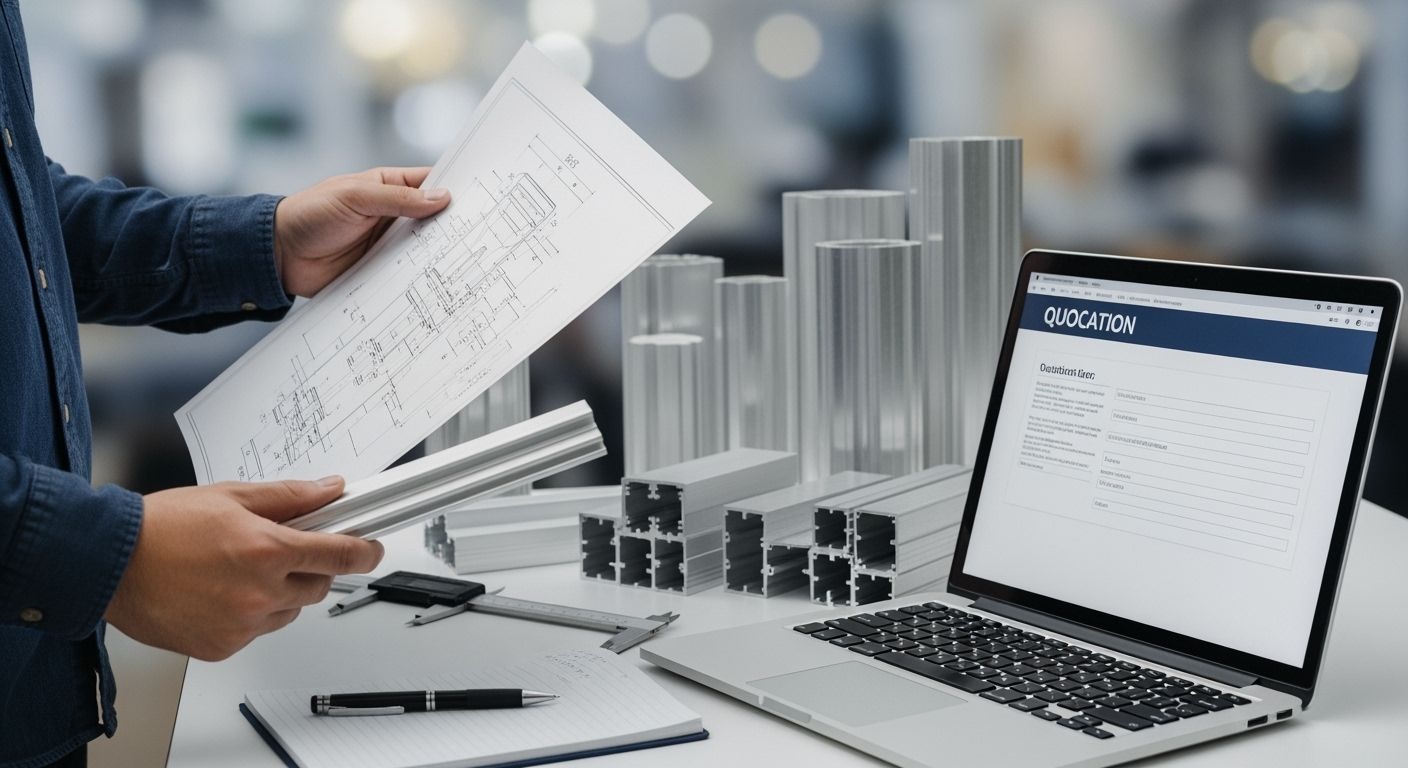
कस्टम एल्युमिनियम एक्सट्रूज़न के लिए कोटेशन मांगते समय आपको सभी महत्वपूर्ण जानकारी देनी चाहिए। इससे आपको सही कीमत मिलती है और देरी रुकती है। कस्टम एक्सट्रूज़न की कीमत कई चीज़ों के कारण बदलती है, जैसे आपका पूरा डिज़ाइन और आपकी आवश्यकताएँ। महत्वपूर्ण विवरण हैं:
-
सही ड्रॉइंग और आपकी ड्रॉइंग का नवीनतम संस्करण
-
आप कौन-सी मिश्रधातु, टेम्पर और सतह फिनिश चाहते हैं
-
महत्वपूर्ण आकार और वे कितने सटीक होने चाहिए
-
हर टुकड़े की लंबाई कितनी होनी चाहिए और आपको कितने टुकड़े चाहिए
-
भाग कैसा दिखना चाहिए
-
आप इसे कैसे पैक करवाना चाहते हैं और आपको कितनी जल्दी इसकी आवश्यकता है
-
आप कौन-से फ़ाइल प्रकार भेज सकते हैं
यदि आप जानकारी छोड़ देते हैं, तो इससे आपके कोटेशन में अधिक समय लग सकता है या आपको गलत कीमत मिल सकती है। यदि आपके पास एल्युमिनियम एक्सट्रूज़न डिज़ाइन के बारे में प्रश्न हैं या किसी विशेष एल्युमिनियम भाग के लिए सहायता चाहिए, Guang Ya Aluminium आपकी ड्रॉइंग देख सकता है और विवरणों में आपकी सहायता कर सकता है।
मुख्य बातें
-
गलतियों को रोकने और कारखाने को आपका डिज़ाइन समझने में मदद करने के लिए स्पष्ट और सही ड्रॉइंग दें।
-
बताएँ कि आपको कौन-सी मिश्रधातु और टेम्पर चाहिए, क्योंकि ये भाग के काम करने के तरीके और उसकी कीमत को बदलते हैं।
-
आपको आवश्यक सभी सतह फिनिश की सूची दें और बेहतर रूप के लिए दिखाएँ कि किन किनारों को अच्छा दिखना चाहिए।
-
कट की लंबाई और आवश्यक मात्रा स्पष्ट रूप से बताएं ताकि आपूर्तिकर्ता निर्माण की योजना बना सके और सही कीमत तय कर सके।
-
अपनी ड्रॉइंग के लिए सही फ़ाइल प्रकारों का उपयोग करें ताकि सभी लोग आसानी से बात कर सकें और सही कोटेशन प्राप्त कर सकें।
कस्टम एल्युमिनियम एक्सट्रूज़न के लिए ड्रॉइंग और आयाम
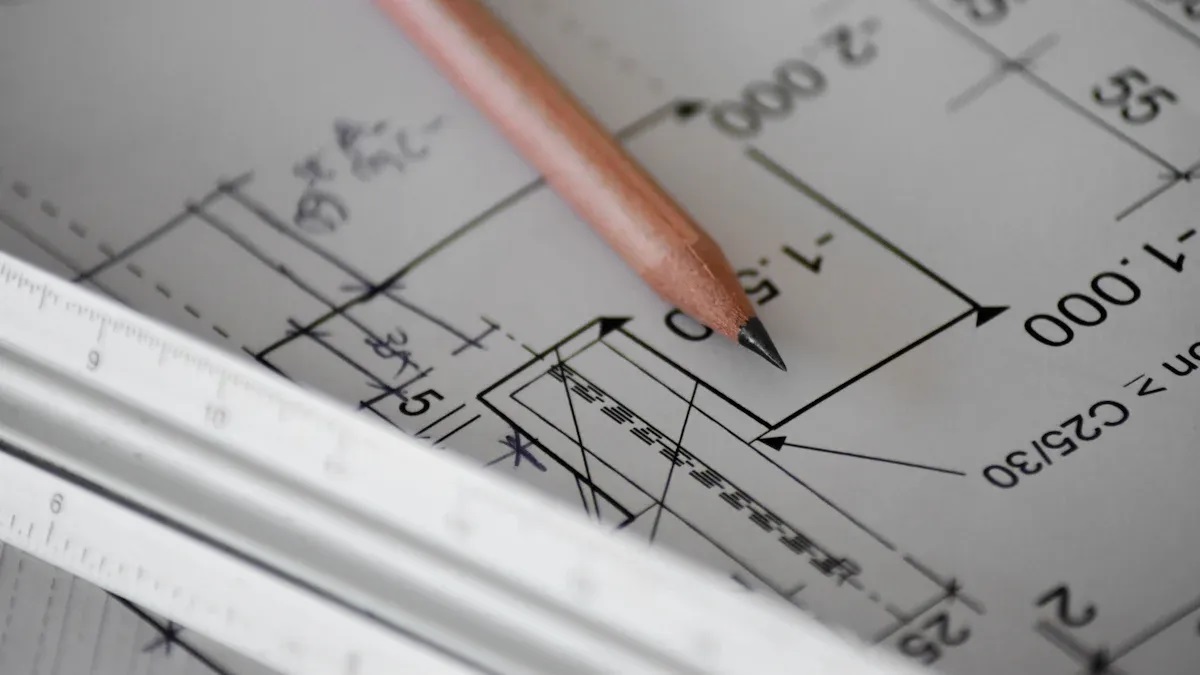
जब आप कोटेशन मांगते हैं, तो आपको स्पष्ट ड्रॉइंग देनी चाहिए। आपको अपने डिज़ाइन के बारे में सटीक विवरण भी साझा करने चाहिए। अच्छी ड्रॉइंग कारखाने को आपकी आवश्यकता समझने में मदद करती हैं। इससे गलतियाँ होने से रुकती हैं। हमेशा अपने डिज़ाइन का नवीनतम संस्करण भेजें। इससे आपको सही कीमत मिलती है। यह भी सुनिश्चित करता है कि आपका भाग सही तरीके से काम करेगा।
आवश्यक ड्रॉइंग विवरण
आपकी तकनीकी ड्रॉइंग में कुछ महत्वपूर्ण चीज़ें होनी चाहिए:
-
सभी मुख्य आकार और उनकी सटीकता की सीमा दिखाएँ।
-
बताएँ कि आपको कौन-सी एल्युमिनियम एक्सट्रूज़न मिश्रधातुएँ और फिनिश चाहिए।
-
यदि आप निर्माण को आसान बनाना चाहते हैं, तो कम चरणों में उपयोग करने के तरीकों जैसी टिप्पणियाँ जोड़ें।
-
हर भाग का पूरा आकार और आकृति दिखाएँ।
-
अपनी योजना में शुरुआत से ही मिश्रधातु और टेम्पर चुनें।
ये विवरण कारखाने को आपकी आवश्यकताओं की जाँच करने में मदद करते हैं। ये उन्हें अच्छी गुणवत्ता की योजना बनाने में भी सहायता करते हैं। यदि आपको सहायता चाहिए, तो Guang Ya Aluminium आपकी ड्रॉइंग देख सकता है और सुझाव दे सकता है।
आयाम और सहनशीलता निर्दिष्ट करना
आपको अपनी ड्रॉइंग में सभी आकार और उनकी सटीकता की सीमा दिखानी होगी। इससे कारखाने को अच्छी गुणवत्ता बनाए रखने और समस्याओं को जल्दी पहचानने में मदद मिलती है। हर चरण पर सावधानीपूर्वक जाँच यह सुनिश्चित करती है कि आपके भाग अच्छे हों। यह भी सुनिश्चित करती है कि आपके भाग आपकी आवश्यकता के अनुसार काम करें। आकार की सटीकता तय करते समय आपको हमेशा उन नियमों का उपयोग करना चाहिए जिनका कारखाने पालन करते हैं। यहाँ कुछ सामान्य नियम हैं:
|
मानक |
विवरण |
|---|---|
|
ANSI H35.2 |
यह अमेरिका में एल्युमिनियम मिल उत्पादों के आकार और उनकी सटीकता की सीमा के लिए मुख्य नियम है। यह सटीक आकार और सीमाएँ देता है। |
|
ASTM B221 |
यह नियम एल्युमिनियम और एल्युमिनियम-मिश्रधातु एक्सट्रूडेड उत्पादों के लिए है। यह सुनिश्चित करता है कि सामग्री आकार के नियमों के अनुरूप हो। |
|
एल्युमिनियम मानक और डेटा (ASD) |
यह पुस्तक इंजीनियरों के लिए आकार तालिकाएँ, मिश्रधातु नियम और डिज़ाइन सुझाव एक ही स्थान पर रखती है। |
जब आप सभी विवरण देते हैं, तो आप कारखाने को अपना भाग सर्वोत्तम तरीके से बनाने में मदद करते हैं। इससे समय और धन की बचत होती है। यदि आपके पास प्रश्न हैं या अपने RFQ के लिए सहायता चाहिए, तो Guang Ya Aluminium आपकी मदद कर सकता है।
मिश्रधातु और टेम्पर का चयन
जब आप कोटेशन मांगते हैं, तो आपको सही मिश्रधातु और टेम्पर चुनना होगा। ये विकल्प बदलते हैं कि आपका भाग कैसे काम करता है, इसकी लागत कितनी है और इसे बनाना कितना आसान है। आपको हमेशा अपने rfq में कारखाने को यह जानकारी बतानी चाहिए। इससे भ्रम रुकता है और काम तेज़ी से चलता रहता है।
सही मिश्रधातु चुनना
आपके पास चुनने के लिए कई मिश्रधातुएँ हैं कस्टम एल्युमिनियम एक्सट्रूज़नके लिए। हर एक के अपने फायदे और सर्वोत्तम उपयोग होते हैं। कुछ लोकप्रिय विकल्पों को देखने में आपकी सहायता के लिए यहाँ एक तालिका दी गई है:
|
मिश्रधातु |
तन्यता शक्ति |
मजबूतियाँ |
कमियाँ |
अनुप्रयोग |
|---|---|---|---|---|
|
2024 |
455 – 483 MPa |
उत्कृष्ट मजबूती, अच्छी निर्माण क्षमता |
खराब संक्षारण प्रतिरोध, खराब वेल्डिंग क्षमता |
विमान के पुर्जे, गियर, पिस्टन |
|
5052 |
193 – 290 MPa |
उत्कृष्ट निर्माण क्षमता, उत्कृष्ट संक्षारण प्रतिरोध |
खराब मशीनिंग क्षमता |
समुद्री उपकरण, घरेलू उपकरण, ट्यूब |
|
6061 |
241 – 310 MPa |
उत्कृष्ट वेल्डिंग क्षमता, अच्छी मशीनिंग क्षमता, अच्छा संक्षारण प्रतिरोध |
औसत निर्माण क्षमता |
निर्माण उत्पाद, ऑटोमोटिव पुर्जे, फर्नीचर |
आपको मिश्रधातु का चयन अपनी परियोजना के अनुसार करना चाहिए। उदाहरण के लिए, 6061 मजबूत है और इसे आसानी से वेल्ड किया जा सकता है। यह निर्माण और कार के पुर्जों के लिए अच्छी तरह काम करता है। यदि आप बेहतर संक्षारण प्रतिरोध चाहते हैं, तो 5052 एक अच्छा विकल्प है।
टेम्पर निर्दिष्ट करना
टेम्पर कारखाने को बताता है कि मिश्रधातु का उपचार कैसे किया गया था। इससे पुर्जे में विशेष गुण आते हैं। सही टेम्पर चुनना उतना ही महत्वपूर्ण है जितना सही मिश्रधातु चुनना। कुछ टेम्पर, जैसे T6, पुर्जे को मजबूत बनाते हैं। लेकिन एक्सट्रूज़न के बाद मोड़ने पर T6 में दरार आ सकती है। T5 का उपयोग वास्तुशिल्पीय पुर्जों के लिए किया जाता है। यह लागत और मजबूती का अच्छा संतुलन देता है।
|
मिश्रधातु/टेम्पर |
उपज शक्ति (psi) |
लागत प्रभाव |
एक्सट्रूज़न की जटिलता |
|---|---|---|---|
|
6061-T6 |
35,000 |
अधिक |
सीमित |
|
6005-T5 |
37,700 |
कम |
अधिक जटिल |
जब आप अपना rfq भेजें, तो हमेशा:
-
बताएं कि आपको कौन-सा मिश्रधातु और टेम्पर चाहिए।
-
उत्पाद का रूप बताएं, जैसे ट्यूब या प्लेट।
-
सभी आकार और सहनशीलताएं दें।
-
आपको जिन भी मानकों या प्रमाणपत्रों की आवश्यकता है, उनकी सूची दें।
सुझाव: टेम्पर नामों के स्थान पर कठोरता मानों का उपयोग न करें। हमेशा जांचें कि आपके इच्छित मिश्रधातु और टेम्पर उपलब्ध हैं।
सही मिश्रधातु और टेम्पर चुनने से आपको सर्वोत्तम कस्टम एल्युमिनियम एक्सट्रूज़न प्राप्त करने में मदद मिलती है।
सतह फिनिश आवश्यकताएं
जब आप कोटेशन मांगते हैं, तो आपको बताना होगा कि आपको कौन-सी सतह फिनिश चाहिए। फिनिश आपके भाग के दिखने के तरीके को बदलती है। यह यह भी बदलती है कि आपका भाग कितने समय तक चलता है। फिनिश कीमत को भी बदल सकती है। हमेशा आपूर्तिकर्ता को बताएं कि आपको कौन-सी फिनिश चाहिए। यह भी बताएं कि कौन-सी सतहें दिखाई देंगी।
कस्टम एल्युमिनियम एक्सट्रूज़न के लिए फिनिश विकल्प
कस्टम एल्युमिनियम एक्सट्रूज़न के लिए कई फिनिश विकल्प उपलब्ध हैं। प्रत्येक फिनिश भाग को अलग रूप देती है। प्रत्येक फिनिश सुरक्षा का अलग स्तर प्रदान करती है। कुछ फिनिश बाहरी उपयोग के लिए बेहतर होती हैं। अन्य आंतरिक भागों के लिए अच्छी होती हैं। यहां कुछ सामान्य फिनिश दी गई हैं:
|
फिनिश प्रकार |
दृश्य प्रभाव |
सुरक्षा स्तर |
सामान्य अनुप्रयोग |
|---|---|---|---|
|
मिल फिनिश |
फीका, धूसर, औजार के निशान |
कम |
छिपे हुए भाग, आंतरिक संरचनाएं |
|
एनोडाइज्ड |
मैट, धात्विक चमक |
मध्यम–उच्च |
खिड़की के फ्रेम, सौर फ्रेम, अग्रभाग |
|
पाउडर कोट |
चिकना, ठोस रंग |
उच्च |
रेलिंग, संकेत, भवन के घटक |
|
ब्रश्ड |
रेखीय बनावट, मैट |
मध्यम |
ट्रिम, फिक्स्चर, डिस्प्ले पैनल |
|
पॉलिश्ड |
परावर्तक, चमकदार |
कम–मध्यम |
सजावटी या अंदर दिखाई देने वाले भाग |
|
पेंटेड |
चमकदार या कस्टम रंगतें |
मध्यम |
कस्टम ब्रांडिंग या रंग योजनाएं |
इस बात पर विचार करें कि आप अपने भाग का उपयोग कहां करेंगे। बाहरी भागों को अधिक सुरक्षा की आवश्यकता होती है। इनके लिए एनोडाइजिंग या पाउडर कोटिंग सबसे अच्छी होती है। यदि आप किसी विशेष रंग या चमक चाहते हैं, तो पाउडर कोटिंग और पेंटिंग अच्छे विकल्प हैं। कुछ फिनिश, जैसे PVDF लिक्विड कोटिंग, अधिक महंगी होती हैं। ये कठिन स्थानों में अधिक समय तक चलती हैं।
सुझाव:हर फिनिश हर मिश्रधातु के साथ काम नहीं करता। यदि आपको पता नहीं है कि आपकी मिश्रधातु के लिए कौन-सा फिनिश उपयुक्त है, तो अपने आपूर्तिकर्ता से पूछें।
सौंदर्यात्मक और दिखाई देने वाली सतहें
आपको दिखाना होगा कि किन सतहों को सौंदर्यात्मक फिनिश की आवश्यकता है। अपने चित्रों में इन स्थानों को चिह्नित करें। यदि आप कोई विशेष रूप चाहते हैं, जैसे रंग या चमक, तो इसे अपने अनुरोध में लिखें। एनोडाइज्ड भागों के लिए, श्रेणी और रंग सूचीबद्ध करें। पाउडर-कोटेड भागों के लिए, रंग, चमक और आवश्यक मानक दें।
-
जंक्शन लाइनों को उन सतहों से दूर रखें जिन्हें पूरी तरह सही दिखना चाहिए। इससे निशान दिखाई देने से रुकते हैं।
-
लकड़ी जैसा रूप या ब्रश्ड फिनिश जैसे किसी भी विशेष फिनिश को लिखें, ताकि आपूर्तिकर्ता समझ सके कि आपको क्या चाहिए।
-
याद रखें, अधिक महीन फिनिश की लागत अधिक होती है और इन्हें बनाने में अधिक समय लग सकता है। उदाहरण के लिए, एनोडाइजिंग और पाउडर कोटिंग की लागत प्रति मीट्रिक टन $1,200 से $1,400 तक हो सकती है। विशेष फिनिश की लागत और भी अधिक हो सकती है।
अपने कस्टम एल्युमिनियम एक्सट्रूज़न के लिए सही फिनिश चुनने से आपको मनचाहा रूप और प्रदर्शन मिलता है। अपने कोटेशन अनुरोध में स्पष्ट विवरण देने से समय बचता है और गलतियां रुकती हैं।
कट लंबाई और ऑर्डर मात्रा
कट लंबाई निर्दिष्ट करना
आपको आपूर्तिकर्ता को अपनी आवश्यक सटीक कट लंबाई बतानी होगी। इससे कारखाने को सही उपकरण और मशीनें चुनने में मदद मिलती है। अधिकांश लोग 25 से 50 फीट लंबी इकाइयों का अनुरोध करते हैं। आवश्यकता होने पर आप छोटी या लंबी इकाइयां मांग सकते हैं। यह सुनिश्चित करने के लिए हमेशा अपने चित्रों की जांच करें कि कट लंबाई सही है।
-
अपने चित्र में कट लंबाई स्पष्ट रूप से लिखें।
-
यदि आपको विशेष लंबाई सहनशीलता की आवश्यकता है तो आपूर्तिकर्ता को बताएं।
-
अपनी इकाइयों को पैक और शिप करने के सर्वोत्तम तरीके के बारे में पूछें।
यदि आप इमारतों या मशीनों के लिए कस्टम एल्युमिनियम प्रोफाइल का उपयोग करते हैं, तो आपको सही कट लंबाई देनी होगी। इससे कारखाने को गलतियों और बर्बादी से बचने में मदद मिलती है।
मात्रा और लीड टाइम बताना
आपको आपूर्तिकर्ता को बताना होगा कि आपको कितनी इकाइयों की आवश्यकता है। कुल संख्या कीमत और आपके ऑर्डर को तैयार करने की गति को बदलती है। बड़े ऑर्डर प्रति मीटर लागत कम करने में मदद करते हैं। आपूर्तिकर्ता मशीनों को बेहतर तरीके से चला सकते हैं और सस्ता कच्चा माल प्राप्त कर सकते हैं। अधिक ऑर्डर करने पर शिपिंग में भी बचत होती है।
|
कारक |
ऑर्डर मात्रा का प्रभाव |
|---|---|
|
निश्चित लागत |
अधिक मीटरों में विभाजित होने से प्रत्येक मीटर की लागत कम हो जाती है। |
|
उत्पादन दक्षताएं |
मशीनें बड़े बैचों में बेहतर काम करती हैं, इसलिए उपज अधिक होती है। |
|
कच्चे माल की खरीद |
थोक में खरीदने से आपूर्तिकर्ताओं से बेहतर कीमत मिलती है। |
|
शिपिंग लागत |
पूरे कंटेनर की लागत छोटी खेपों की तुलना में प्रति इकाई कम होती है। |
|
आपूर्तिकर्ता वार्ताएं |
बड़े ऑर्डर से छूट और बेहतर सौदे मिल सकते हैं। |
आपको आपूर्तिकर्ता को यह भी बताना चाहिए कि आपको अपना ऑर्डर कब चाहिए। लीड टाइम कुछ चीजों पर निर्भर करता है:
|
कारक |
विवरण |
|---|---|
|
टूलिंग स्थिति |
यदि टूलिंग पहले से मौजूद है, तो लीड टाइम काफी कम होता है। |
|
प्लांट कार्यभार |
यदि प्लांट व्यस्त है, तो आपके ऑर्डर को शेड्यूल करने में अधिक समय लग सकता है। |
|
ऑर्डर आकार |
बड़े ऑर्डर को पूरा करने और प्रोसेस करने में अधिक समय लग सकता है। |
|
फिनिश आवश्यकताएं |
अतिरिक्त फिनिशिंग चरण आपके ऑर्डर में अधिक समय जोड़ सकते हैं। |
|
सामग्री की उपलब्धता |
यदि कच्चा माल देर से आता है, तो उत्पादन में देरी हो सकती है। |
|
ग्राहक-पक्ष की देरी |
यदि आप अपना डिज़ाइन बदलते हैं या देर से स्वीकृति देते हैं, तो लीड टाइम बढ़ जाता है। |
सुझाव:जब आप कोटेशन मांगें, तो अपनी डिलीवरी तिथि बताएं। इससे आपूर्तिकर्ता को योजना बनाने में मदद मिलती है और आपको बेहतर समय-सीमा मिलती है।
यदि आपको किसी बड़े काम के लिए एक्सट्रूडेड एल्युमिनियम प्रोफाइल की आवश्यकता है, तो अपना ऑर्डर पहले से तैयार करें। कट लंबाई, मात्रा और लीड टाइम के बारे में स्पष्ट विवरण आपको सर्वोत्तम परिणाम प्राप्त करने में मदद करते हैं।
कस्टम एल्युमिनियम एक्सट्रूज़न के लिए विशेष आवश्यकताएँ
पैकेजिंग और शिपिंग आवश्यकताएँ
आपको आपूर्तिकर्ता को बताना चाहिए कि आपके कस्टम एल्युमिनियम एक्सट्रूज़न को कैसे पैक और शिप किया जाए। स्पष्ट निर्देश यात्रा के दौरान आपके हिस्सों को सुरक्षित रखते हैं। हिस्सों को पैक करने के अलग-अलग तरीके होते हैं। प्रत्येक तरीका कुछ विशेष आवश्यकताओं के लिए सबसे अच्छा काम करता है। यहाँ कुछ सामान्य विकल्पों वाली तालिका है:
|
पैकेजिंग शैली |
सामान्य उपयोग का मामला |
लाभ |
|---|---|---|
|
पट्टी से बंधा बंडल |
लंबे सीधे एक्सट्रूज़न, बड़े ऑर्डर |
संभालना आसान, जगह बचाता है |
|
कार्डबोर्ड रैप + सुरक्षा गार्ड |
छोटे ऑर्डर, उच्च-फिनिश या पाउडर-कोटेड उत्पाद |
सतह सुरक्षा |
|
लकड़ी का क्रेट / पैलेट |
भारी, बड़े आकार वाले, या मिश्रित एक्सट्रूज़न ऑर्डर |
मजबूत, परिवहन के लिए स्थिर |
|
प्लास्टिक स्लीव या फिल्म |
जंग लगने की संभावना वाले या लंबे भंडारण वाले ऑर्डर |
धूल और नमी को दूर रखता है |
यदि आपके हिस्सों को अतिरिक्त देखभाल की आवश्यकता है, तो आप विशेष पैकेजिंग के लिए कह सकते हैं। उदाहरण के लिए, चमकदार हिस्सों के लिए आप कार्डबोर्ड रैप चाहते हो सकते हैं। भारी कस्टम एल्युमिनियम प्रोफाइल के लिए लकड़ी के क्रेट की आवश्यकता हो सकती है। यदि आप नमूने चाहते हैं या कलाकृति की जाँच करवाना चाहते हैं, तो आपूर्तिकर्ता को बताएं। इन अनुरोधों से आपके ऑर्डर में अधिक समय लग सकता है।
विशेष पैकेजिंग और शिपिंग अनुरोध आपके कोटेशन और निर्माण प्रक्रिया को बदल सकते हैं। नीचे दी गई तालिका दिखाती है कि अलग-अलग चीज़ें लीड टाइम और योजना को कैसे प्रभावित कर सकती हैं:
|
कारक |
लीड टाइम और उत्पादन पर प्रभाव |
|---|---|
|
स्पष्ट विनिर्देश |
देरी से बचने और सटीक कोटेशन सुनिश्चित करने में मदद करता है |
|
कलाकृति की स्वीकृति |
उत्पादन से पहले आवश्यक जाँचों के कारण समय-सारणी प्रभावित होती है |
|
पैकेजिंग नमूने |
पुष्टि के लिए अतिरिक्त लीड टाइम जोड़ते हैं |
|
जटिल पैकेजिंग प्रकार |
अधिक योजना और समीक्षा समय की आवश्यकता होती है |
|
विशेष फिनिश |
अतिरिक्त आवश्यकताओं के कारण योजना समय बढ़ाते हैं |
|
MOQ और ऑर्डर मात्रा |
सामग्री योजना और उत्पादन कतार को प्रभावित करें |
|
पुनः ऑर्डर |
यदि पिछली विशिष्टताओं की पुष्टि हो जाए तो यह तेज़ हो सकता है |
सुझाव: जब भी आप कोटेशन मांगें, तो सभी पैकेजिंग और शिपिंग विवरण अवश्य दें। इससे आपूर्तिकर्ता को योजना बनाने में मदद मिलती है और आपके कस्टम एल्युमिनियम एक्सट्रूज़न सुरक्षित रहते हैं।
अंतिम उपयोग और अनुप्रयोग विवरण
आपको आपूर्तिकर्ता को बताना चाहिए कि आप अपने कस्टम एल्युमिनियम एक्सट्रूज़न का उपयोग कैसे करेंगे। इससे उन्हें आपकी आवश्यकताओं को समझने और सर्वोत्तम विकल्प सुझाने में मदद मिलेगी। यदि आप अपने पुर्जों पर अतिरिक्त कार्य करवाना चाहते हैं, तो इन सेवाओं की सूची दें:
-
कस्टम ड्रिलिंग
-
पंचिंग
-
काउंटरसिंकिंग
-
लंबाई के अनुसार कटिंग
-
माइटर कटिंग
-
मोड़ना या आकार देना
आपूर्तिकर्ता को बताएं कि आपके पुर्जे का उपयोग किस लिए किया जाएगा। यहां कस्टम एल्युमिनियम प्रोफाइल के कुछ सामान्य उपयोग दिए गए हैंकस्टम एल्युमिनियम प्रोफाइल:
-
बालस्ट्रेड
-
भवन और निर्माण के ट्रिम तथा फ्रेमिंग के हिस्से
-
विद्युत घटक
-
दरवाजे और खिड़की के फ्रेम
-
फर्नीचर
-
सिंचाई ट्यूबिंग
-
समुद्री अनुप्रयोग
-
पाइपिंग
-
रेलिंग
-
मनोरंजन उपकरण
-
साइन फ्रेम
-
भंडारण टैंक
-
ट्रेलर
-
ट्रक फ्रेम
एनोडाइजिंग, पाउडर कोटिंग, असेंबली या किटिंग जैसी सेवाएं जोड़ने से आपका उत्पाद बेहतर बन सकता है। ये सेवाएं आपके कस्टम एल्युमिनियम एक्सट्रूज़न को अधिक मजबूत और उपयोग में आसान बनाती हैं। यदि आप साझा करते हैं कि आप अपने पुर्जे का उपयोग कैसे करेंगे, तो आपूर्तिकर्ता बेहतर सलाह दे सकता है और गलतियों से बचने में आपकी मदद कर सकता है।
नोट: पैकेजिंग, शिपिंग या फिनिशिंग के लिए विशेष अनुरोध आपके कोटेशन और ऑर्डर पूरा होने में लगने वाले समय को बदल सकते हैं। स्पष्ट संचार से आपको अपने प्रोजेक्ट के लिए सही कस्टम एल्युमिनियम एक्सट्रूज़न प्राप्त करने में मदद मिलती है।
फ़ाइल प्रारूप और सहायक दस्तावेज़
जब आप कोटेशन मांगते हैं, तो आपको अपने ड्रॉइंग सही फ़ाइल प्रकार में भेजने होंगे। इससे आपूर्तिकर्ता आपके डिज़ाइन को बिना किसी भ्रम के देख सकता है। सही फ़ाइल प्रकार का उपयोग करने से इंजीनियरों के लिए आपके प्रोजेक्ट की जांच करना आसान हो जाता है। इससे उन्हें आपको सही कीमत देने में भी मदद मिलती है।
स्वीकृत ड्रॉइंग फ़ाइल प्रकार
अधिकांश एल्युमिनियम एक्सट्रूज़न आपूर्तिकर्ता कुछ सामान्य फ़ाइल प्रकारों का उपयोग करते हैं। आपको पहले अपने आपूर्तिकर्ता से जांच करनी चाहिए, लेकिन ये सबसे लोकप्रिय हैं:
-
.DXF
-
AutoCAD .DWG
-
Solid Works .STP
ये फ़ाइल प्रकार कारखाने को आपके डिज़ाइन को ध्यान से देखने में मदद करते हैं। यदि आप किसी अन्य प्रोग्राम का उपयोग करते हैं, तो अपनी ड्रॉइंग को इनमें से किसी एक प्रकार में सहेजने का प्रयास करें। हमेशा अपनी ड्रॉइंग का नवीनतम संस्करण भेजें ताकि गलतियाँ न हों।
सुझाव: यदि संभव हो, तो एक 3D मॉडल और एक 2D ड्रॉइंग दोनों संलग्न करें। इससे आपूर्तिकर्ता आपके कस्टम एल्युमिनियम एक्सट्रूज़न को हर कोण से देख सकता है।
अतिरिक्त दस्तावेज़
जब आप कोटेशन मांगते हैं, तो आपको केवल अपनी ड्रॉइंग ही नहीं भेजनी चाहिए। अतिरिक्त दस्तावेज़ आपूर्तिकर्ता को आपकी आवश्यकताओं को समझने में मदद करते हैं। इससे प्रक्रिया भी तेज़ हो जाती है। आपकी सहायता के लिए यहाँ एक चेकलिस्ट दी गई है:
-
अपनी ड्रॉइंग या CAD फ़ाइल भेजें, जैसे STEP मॉडल और आकारों वाली PDF।
-
आप जिस मिश्रधातु और टेम्पर को चाहते हैं, उसे लिखें।
-
अपनी फिनिश की आवश्यकताएँ बताएं, जैसे एनोडाइजिंग या पाउडर कोटिंग।
-
सहनशीलताएँ दिखाएं और महत्वपूर्ण आकारों को चिह्नित करें।
-
बताएं कि आपको कितने टुकड़े चाहिए या अलग-अलग मात्रा के विकल्प दें।
-
किसी भी अतिरिक्त चरणों की सूची दें, जैसे ड्रिलिंग या मोड़ना।
-
पुष्टि करें कि आप अपने पुर्ज़ों की पैकिंग किस प्रकार चाहते हैं।
-
किसी भी निरीक्षण या प्रमाणपत्र की आवश्यकताएँ लिखें।
-
बताएं कि आपको अपना ऑर्डर कब चाहिए और उसे कहाँ भेजना है।
पूर्ण दस्तावेज़ आपूर्तिकर्ता को तेज़ी और अधिक सही तरीके से कोटेशन देने में मदद करते हैं। जब आप सभी आवश्यक जानकारी भेजते हैं, तो आप देरी और गलतियों से बचते हैं। यदि आप विवरण छोड़ देते हैं, तो आपूर्तिकर्ता को आपसे अधिक प्रश्न पूछने पड़ सकते हैं। इससे आपकी परियोजना में अधिक समय लग सकता है।
पूर्ण कोटेशन अनुरोध के लिए सुझाव
प्रस्तुति चेकलिस्ट
यदि आप चेकलिस्ट का उपयोग करते हैं, तो आपको कोटेशन तेज़ी से मिल सकता है। इससे यह सुनिश्चित होता है कि आप कोई महत्वपूर्ण चीज़ न भूलें। नीचे दी गई तालिका दिखाती है कि आपको क्या शामिल करना चाहिए:
|
चेकलिस्ट आइटम |
विवरण |
|---|---|
|
आयाम सहित प्रिंट |
सभी महत्वपूर्ण आकार और सहनशीलताएँ जोड़ें |
|
एल्युमिनियम मिश्रधातु और टेम्पर |
बताएं कि आपको कौन-सी सामग्री चाहिए |
|
कट लंबाई(याँ) |
अपने पुर्ज़ों के लिए आवश्यक लंबाइयाँ लिखें |
|
सौंदर्य की दृष्टि से महत्वपूर्ण सतहें |
उन सतहों को बताएं जिन्हें अच्छा दिखना चाहिए |
|
इलेक्ट्रॉनिक फ़ाइल |
igs, dxf या dwg जैसी फ़ाइलें भेजें |
|
निर्माण प्रिंट |
पुर्ज़ा बनाने के तरीके से संबंधित कोई भी विवरण जोड़ें |
|
एनोडाइज/केम फिल्म/पाउडर कोट |
बताएं कि आपको विशेष सतह उपचार चाहिए या नहीं |
|
पुर्ज़ों की संख्या |
बताएं कि आपको कितने टुकड़े चाहिए |
|
पैकेजिंग आवश्यकताएँ |
किसी भी विशेष पैकिंग आवश्यकताओं को लिखें |
|
अंतिम उपयोग |
बताएं कि आप इस पुर्ज़े का उपयोग किस काम के लिए करेंगे |
अपना अनुरोध भेजने से पहले प्रत्येक आइटम पर निशान लगा लें। इससे आपूर्तिकर्ता को यह समझने में मदद मिलेगी कि आप अपने कस्टम एल्युमिनियम एक्सट्रूज़न और कस्टम एल्युमिनियम प्रोफाइल के लिए क्या चाहते हैं। आपको तेजी से उत्तर मिलेंगे और आपका कोटेशन अधिक सही होगा।
बचने योग्य सामान्य गलतियाँ
जब लोग कस्टम एल्युमिनियम एक्सट्रूज़न के कोटेशन के लिए पूछते हैं, तो वे कभी-कभी गलतियाँ करते हैं। आप अपने दस्तावेज़ों और योजनाओं की जाँच करके इन समस्याओं को रोक सकते हैं। यहाँ कुछ गलतियाँ हैं जो लोग करते हैं:
-
यदि आप महत्वपूर्ण आकार या सहनशीलताएँ छोड़ देते हैं, तो उत्पादन में देरी हो सकती है।
-
यदि आप अस्पष्ट सहनशीलता नोट्स का उपयोग करते हैं, तो जाँच के दौरान समस्याएँ आ सकती हैं।
-
यदि आपके प्रोफाइल बहुत भारी हैं, तो लागत बढ़ जाती है और वे उतने अच्छे से काम नहीं करते।
-
यदि आप डाई की व्यवहार्यता के बारे में नहीं सोचते हैं, तो आपका डिज़ाइन संभव नहीं हो सकता।
सुझाव: अपने ड्रॉइंग और नोट्स को ध्यान से देखें। सुनिश्चित करें कि आप जानते हैं कि एक्सट्रूडेड एल्युमिनियम प्रोफाइल क्या कर सकते हैं और वे कैसे बनाए जाते हैं।
आप अपने दस्तावेज़ तैयार करके और अपनी योजनाओं की जाँच करके देरी और अतिरिक्त लागत को रोक सकते हैं। आपूर्तिकर्ता के साथ स्पष्ट बातचीत करने से आपको अपने प्रोजेक्ट के लिए सर्वोत्तम परिणाम मिलते हैं।
यदि आप सभी आवश्यक विवरण देते हैं, तो आप अपना कस्टम एल्युमिनियम एक्सट्रूज़न कोटेशन तेजी से प्राप्त कर सकते हैं। चेकलिस्ट का उपयोग करें ताकि आप ड्रॉइंग या सतह फिनिशिंग जैसे किसी भी चरण को न भूलें। जब आप निर्माता के साथ स्पष्ट रूप से बात करते हैं, तो आपको मनचाहे परिणाम मिलते हैं और अपने डिज़ाइन को दोबारा नहीं बनाना पड़ता। यदि आपके प्रश्न हैं, तो आप Guang Ya Aluminium से सहायता माँग सकते हैं। सभी सही जानकारी देने से आपको अपने आपूर्तिकर्ता के साथ अच्छी तरह काम करने में मदद मिलती है और आपका प्रोजेक्ट सफल होता है।
|
आवश्यक जानकारी |
उद्देश्य |
|---|---|
|
ड्रॉइंग और CAD फाइलें |
सटीक टूलिंग और निर्माण-योग्यता |
|
मिश्रधातु और फिनिशिंग आवश्यकताएँ |
गुणवत्ता और अनुपालन |
|
उत्पादन मात्रा और समय-सीमा |
कुशल योजना और समय-निर्धारण |
अक्सर पूछे जाने वाले प्रश्न
कस्टम एल्युमिनियम प्रोफाइल के लिए सटीक कोटेशन प्राप्त करने में कौन-सी जानकारी मदद करती है?
आपको स्पष्ट ड्रॉइंग और सटीक आकार भेजने चाहिए। आपूर्तिकर्ता को बताएं कि आपको कौन-सी मिश्रधातु और टेम्पर चाहिए। बताएं कि आपको किस सतह फिनिश की आवश्यकता है। कट की लंबाई और आपको कितने टुकड़े चाहिए, यह लिखें। साथ ही, बताएं कि आप अपने भागों की पैकिंग कैसे चाहते हैं। इससे आपूर्तिकर्ता आपके प्रोजेक्ट को समझ पाता है और सही कीमत दे पाता है।
क्या आप एक्सट्रूडेड एल्युमिनियम प्रोफाइल के लिए विशेष फिनिश का अनुरोध कर सकते हैं?
हाँ, आप एनोडाइजिंग, पाउडर कोटिंग या पेंटिंग जैसी फिनिश का अनुरोध कर सकते हैं। आपको बताना चाहिए कि आपको कौन-सी फिनिश और कौन-सा रंग चाहिए। बताएं कि किन सतहों का अच्छा दिखना आवश्यक है। इससे आपूर्तिकर्ता आपको आवश्यक चीज़ प्रदान कर सकता है।
ड्रॉइंग जमा करने के लिए आपको कौन-से फाइल प्रारूपों का उपयोग करना चाहिए?
आपको .DXF, .DWG, या .STP फाइलों का उपयोग करना चाहिए। ये फाइल प्रकार आपूर्तिकर्ता को आपकी ड्रॉइंग आसानी से जाँचने देते हैं। हमेशा अपनी ड्रॉइंग का नवीनतम संस्करण भेजें।
ऑर्डर की मात्रा आपके कोटेशन को कैसे प्रभावित करती है?
यदि आप अधिक टुकड़े ऑर्डर करते हैं, तो प्रत्येक टुकड़े की कीमत कम होती है। आपूर्तिकर्ता बेहतर योजना बना सकते हैं और बड़ी मात्रा में सामग्री खरीद सकते हैं। आपको आपूर्तिकर्ता को बताना चाहिए कि आपको कितने टुकड़े चाहिए।
यदि आपको अपने डिज़ाइन में सहायता चाहिए तो क्या होगा?
आप Guang Ya Aluminium से सहायता माँग सकते हैं। वे आपकी ड्रॉइंग देखते हैं और आपके कस्टम एल्युमिनियम प्रोफाइल के लिए सर्वोत्तम विकल्प चुनने में आपकी मदद करते हैं।
 IPv6 नेटवर्क समर्थित